Milu Park, Wildlife reserve in Daxing District, China
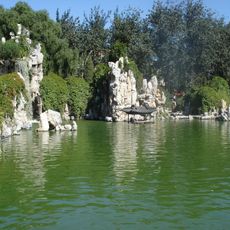
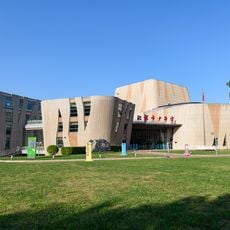
Milu Park is a wildlife reserve in Daxing District, south of Beijing, made up of open grasslands and enclosed areas dedicated to the Pere David's deer. The grounds include meadows, water channels, and shelters arranged to support the daily life and breeding of this deer species.
Nanhaizi, the Ming and Qing imperial hunting grounds, was the last place the milu lived wild in China. After the Yongding River flood of 1894 let over 100 deer escape and starving villagers killed them, German troops stationed there during the 1900 Boxer campaign shot the remaining animals. In 1985 Robin Russell, Marquess of Tavistock, donated 22 deer from Woburn Abbey; 20 reached Nanhaizi and were released on 11 November.
The name Milu comes from the Chinese term for this deer, an animal long associated with good fortune in local tradition. Visitors can watch the deer at close range, as the animals have grown used to people walking through the grounds.
The park lies in the Nanhaizi area of Daxing District, in southern Beijing. The centre opened to the public in 1994, and the museum was formally established in 2000. The grounds hold a free-roaming wildlife area, an exhibition area, a camping area and a picnic area, so allow time to cross the whole site on foot.
In 1865 the French missionary Armand David obtained skins and antlers of the deer by paying 20 taels of silver to guards of the Shenjiying camp, and sent them to Paris, where Alphonse Milne-Edwards named the species Elaphurus davidianus after him. A bronze statue of Robin Russell, 14th Duke of Bedford, who returned 22 deer from Woburn Abbey in 1985, stands in the park.
The community of curious travelers
AroundUs brings together thousands of curated places, local tips, and hidden gems, enriched daily by 94,427 contributors worldwide.