Bai Architecture of Xizhou, Traditional architecture complex in Xizhou, China
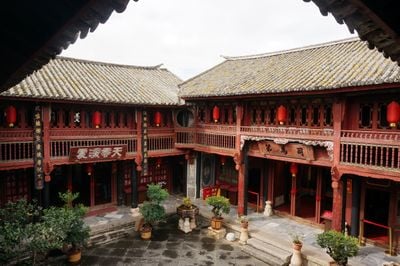
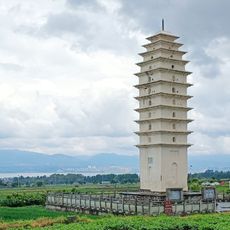
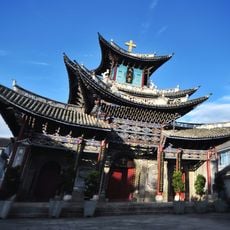
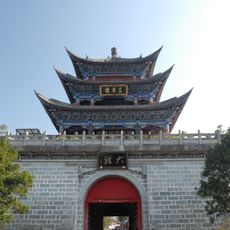
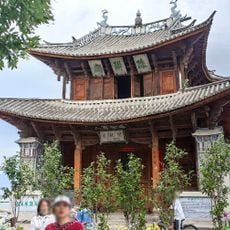
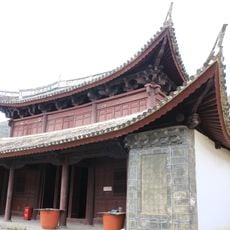
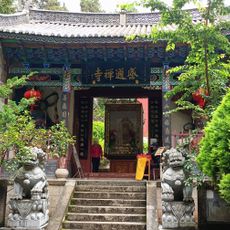
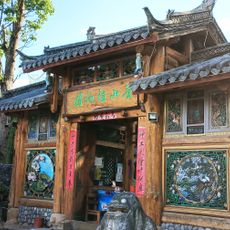
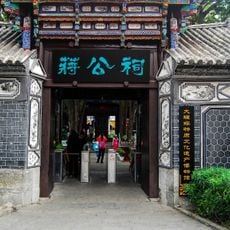
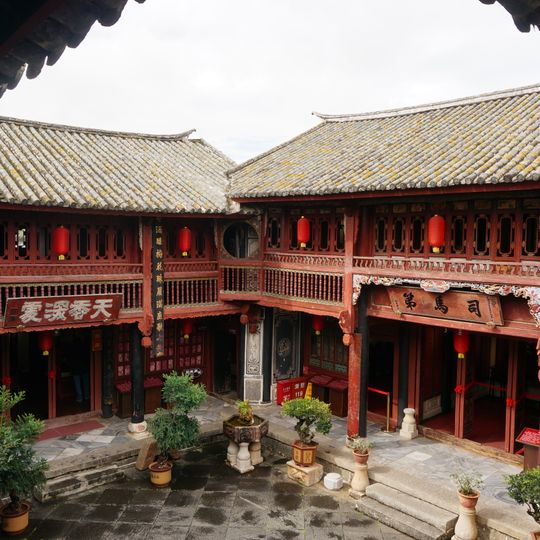
Bai Architecture of Xizhou is a residential complex with white-plastered walls and upturned roofs decorated with black and blue glazed tiles. The buildings display hexagonal honeycomb patterns and come in various layouts, from modest structures to large courtyard compounds.
This ensemble developed during the Qing Dynasty between 1644 and 1912, when wealthy merchants built their homes along the Tea Horse Road trading route. Trade on this famous route brought prosperity to the region and enabled construction of these carefully designed residences.
The homes here embody building techniques passed down through generations of craftspeople in the region. Residents have maintained these construction methods over centuries, keeping a living connection to the region's skilled traditions.
The complex is best explored in daylight, as the white walls and roof decorations reflect light well. Visitors should wear comfortable shoes, as the paths between buildings are uneven and accessing interior courtyards requires stepping over various thresholds.
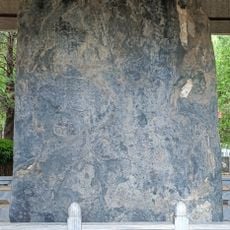
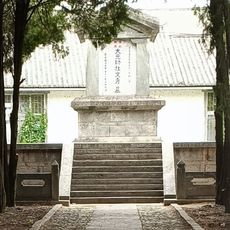
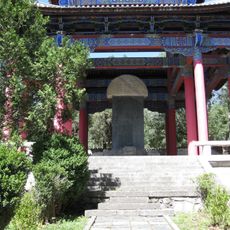
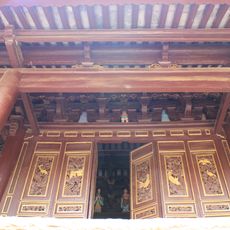
The wooden doors feature intricate carvings depicting birds, flowers, and legendary figures from Chinese mythology. Alongside these are marble ornaments and stone inscriptions that preserve stories and wisdom from that time period.
The community of curious travelers
AroundUs brings together thousands of curated places, local tips, and hidden gems, enriched daily by 92,197 contributors worldwide.