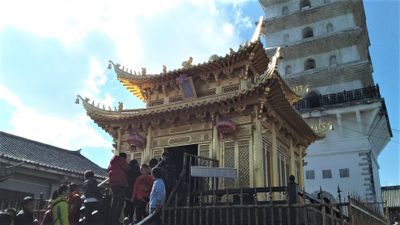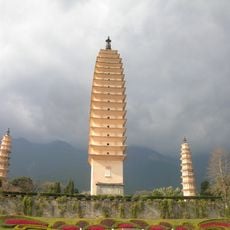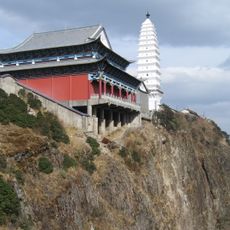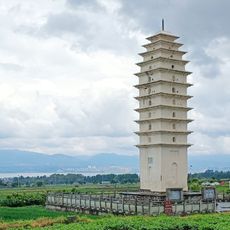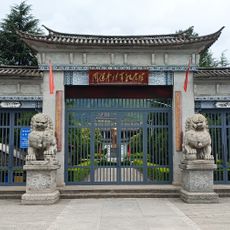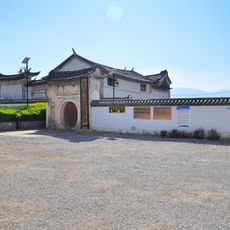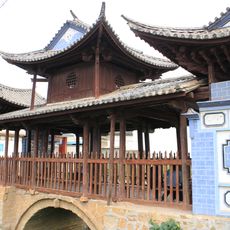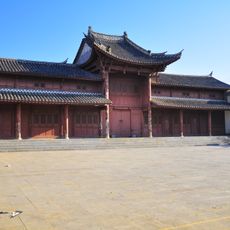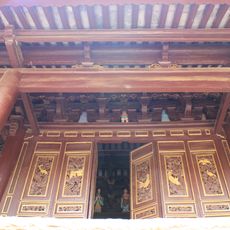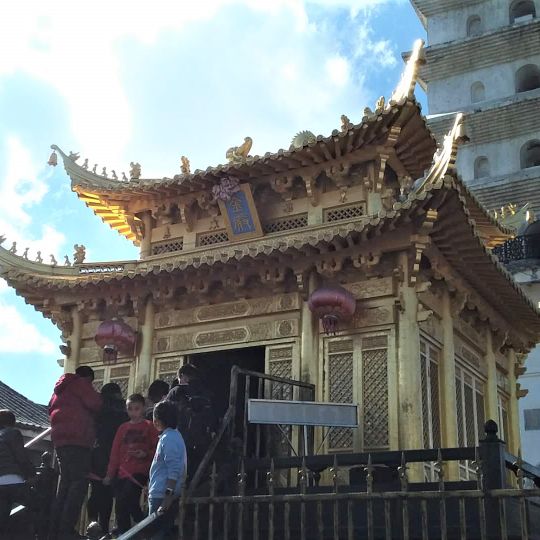
Tongwadian, Buddhist temple in Dali Bai Autonomous Prefecture, China
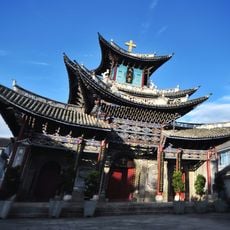
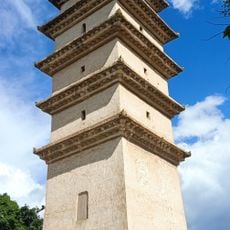
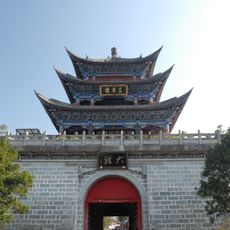
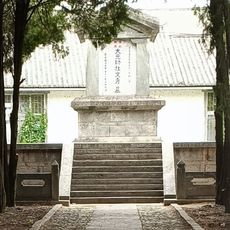
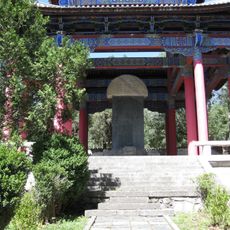
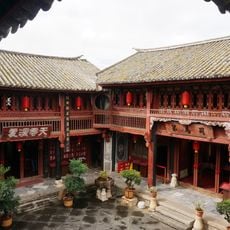
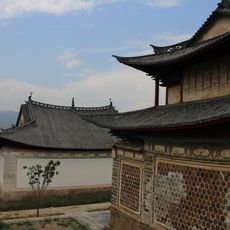
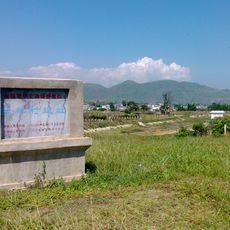
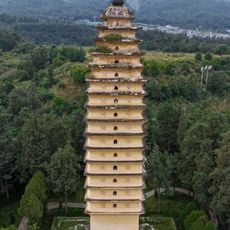
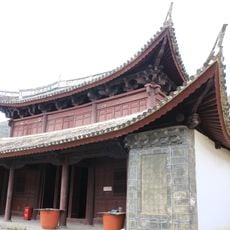
Tongwadian is a Buddhist temple complex that includes multiple halls arranged around courtyards, along with a bell tower, drum tower, and a thirteen-story pagoda standing 42 meters (138 feet) tall. These structures are organized in the traditional manner of Chinese monastic compounds, creating distinct spaces for different religious functions.
The temple was built during the Ming dynasty between 1436 and 1449. During the Cultural Revolution, it suffered significant damage, with only the main hall surviving the period of upheaval.
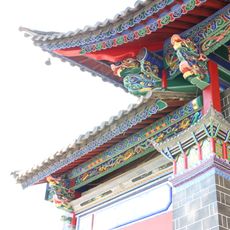
The name reflects Buddhist teachings, and the architecture follows traditional Chinese wooden construction methods. Walking through the grounds today, you see how these designs shape the experience of worship and daily practice.
Visit during daylight hours to see the architectural details and the layout of the various buildings clearly. The grounds are accessible for walking, allowing you to explore how the different structures relate to each other.
During World War II, pilots flying over the Hump route used this temple's pagodas as navigation landmarks in the sky. This unexpected role shows how a religious site became part of global history during wartime.
The community of curious travelers
AroundUs brings together thousands of curated places, local tips, and hidden gems, enriched daily by 91,198 contributors worldwide.