Beichuan Pagoda, Buddhist pagoda in Dali Bai Autonomous Prefecture, China
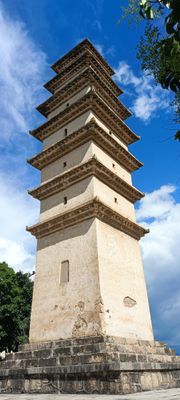
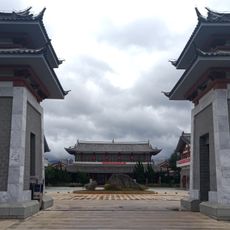
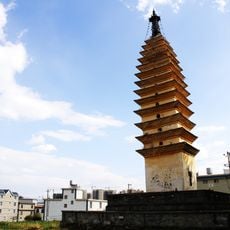
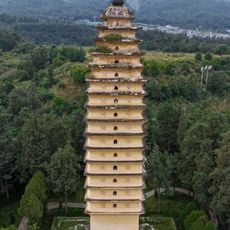
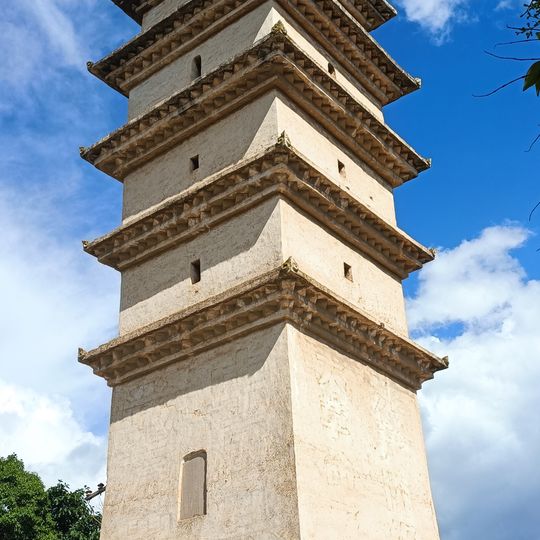
Beichuan Pagoda is a multi-tiered structure built with traditional Chinese design principles and marked by strong vertical symmetry throughout. The construction displays carefully executed details characteristic of Buddhist architecture in this region.
The pagoda was built as an expression of Buddhist faith and became an enduring landmark of local Bai culture in Dali. It survived a major earthquake in 2008 that devastated many structures throughout the region.
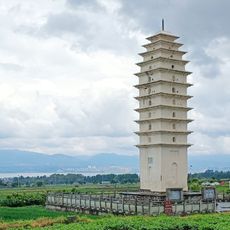
The structure reflects how the local Bai community expressed their Buddhist faith through architecture, with its soaring shape representing a connection between earth and heaven. You can see this spiritual symbolism in the way the building dominates the landscape and draws people's attention upward.
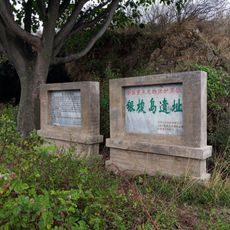
The structure sits in the Manjing area and is reached through marked pathways that allow views from different angles. Local authorities have established guidelines to protect this heritage site, so visitors should respect these when exploring the grounds.
Visitors often overlook that this pagoda serves as a quiet testament to the durability of building techniques preserved by generations of local craftspeople. The fact that this ancient structure withstood a devastating 8.0-magnitude earthquake unscathed reveals the remarkable value of traditional construction methods.
The community of curious travelers
AroundUs brings together thousands of curated places, local tips, and hidden gems, enriched daily by 91,516 contributors worldwide.