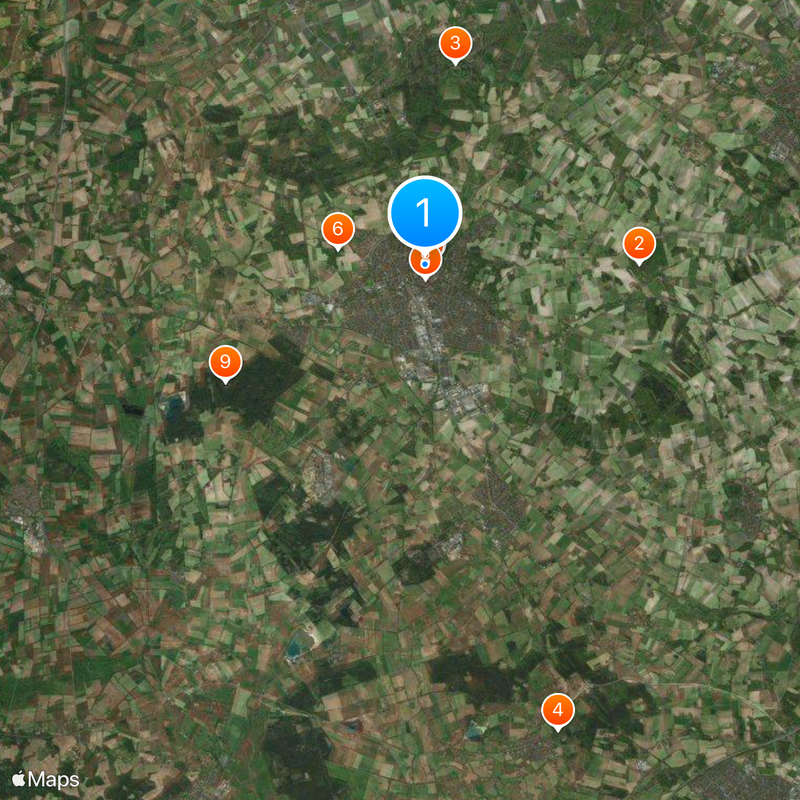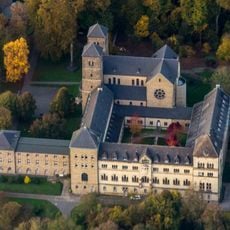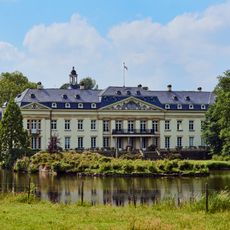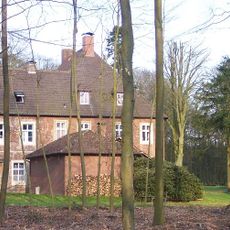
Coesfeld, Hanseatic city in North Rhine-Westphalia, Germany.
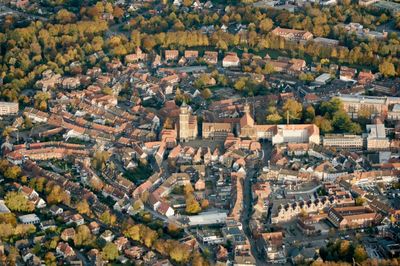
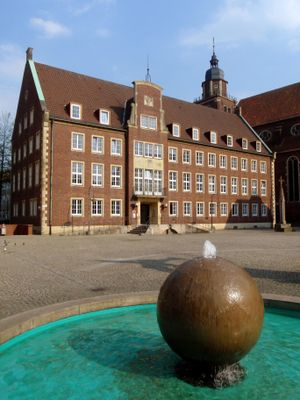
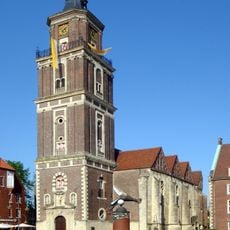
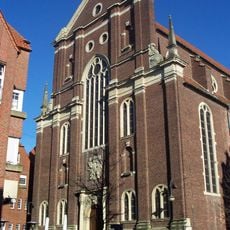
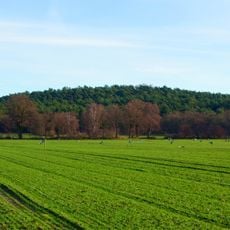
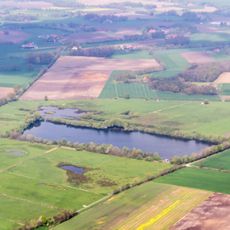
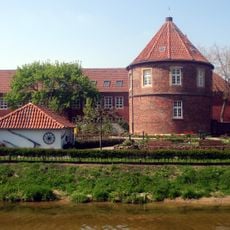
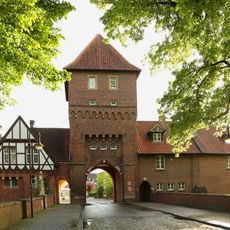
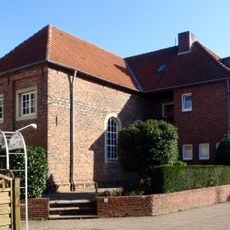
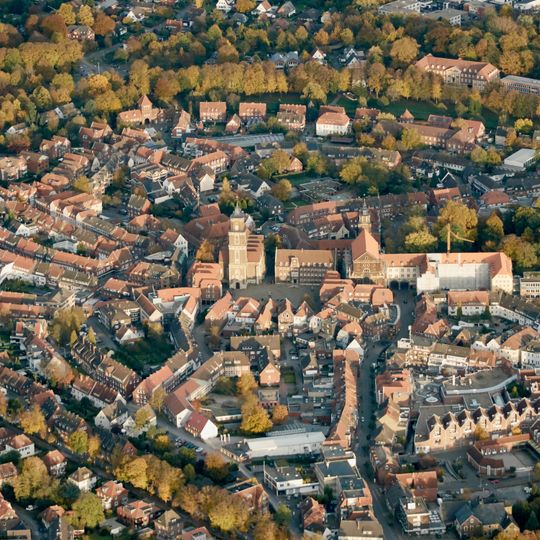
Coesfeld is a medium-sized district capital in Münsterland with church spires and brick buildings that spread across gently rolling pastures and fields. Narrow lanes lead to a market square with a town hall, and residential neighborhoods fan out in concentric rings around the core.
The settlement received city rights in 1197 and became a stop for pilgrims traveling on the Jakobi routes toward the Way of St. James. During medieval times it joined the Hanseatic League, strengthening trade and regional influence.
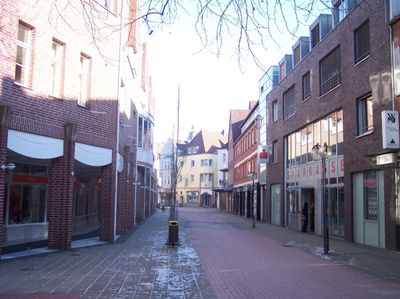
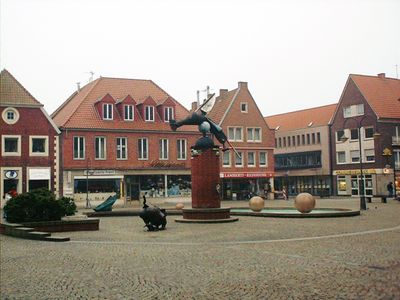
The name reflects early settlement patterns shaped by farming communities in the surrounding plains. In the center, half-timbered houses and gabled facades from different centuries frame daily life, with market squares hosting cafés and local shops.
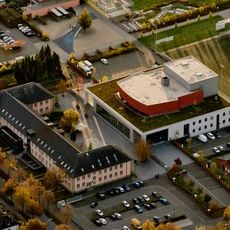
The district capital has direct train links to Münster and Enschede, making it easy to reach. The central area can be explored on foot, and several secondary schools and public facilities are spread throughout the town.
The coat of arms displays a bishop, a goose, and a bell, pointing to St. Liudger and a legend about finding water during a drought. These symbols appear on fountains and signs throughout the town center.
The community of curious travelers
AroundUs brings together thousands of curated places, local tips, and hidden gems, enriched daily by 92,027 contributors worldwide.