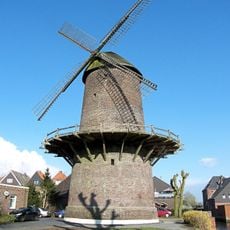
Bocholt, Hanseatic city in North Rhine-Westphalia, Germany
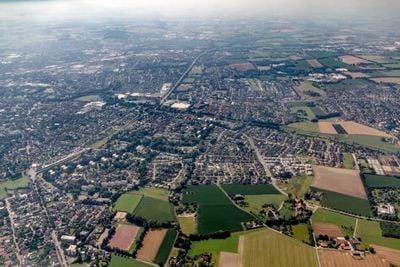
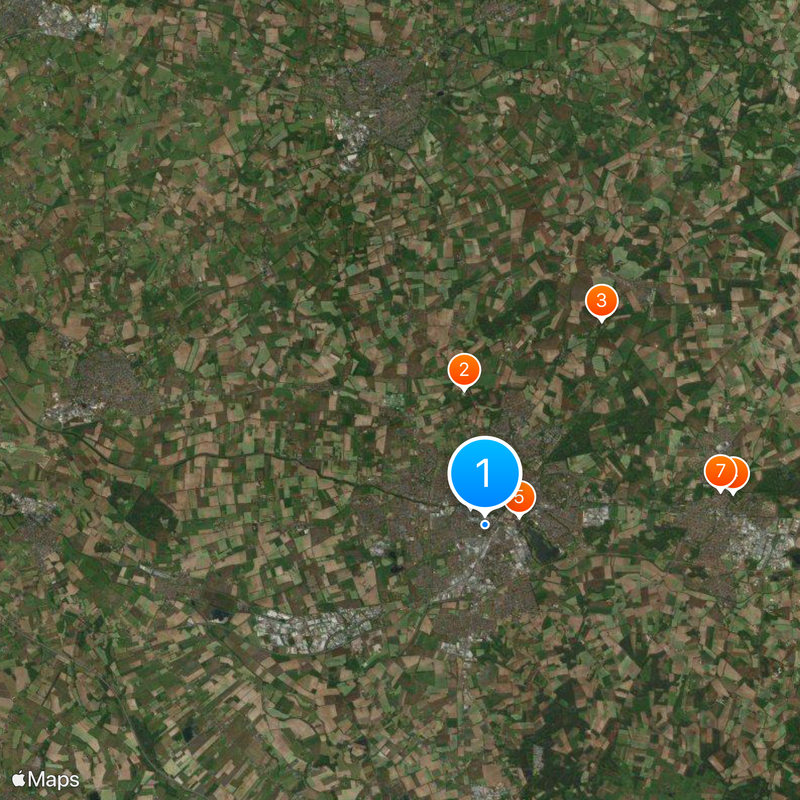
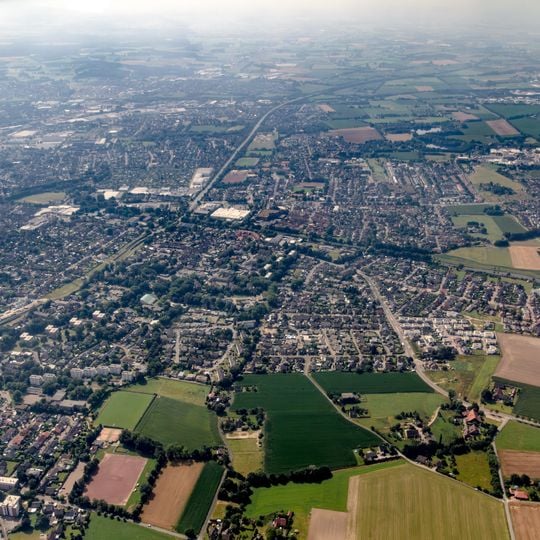
Bocholt is a town in the Borken district of North Rhine-Westphalia, only a few kilometers from the Dutch border. The settlement spreads over a mostly flat, rural area with a compact center and broader residential and commercial zones at the edges.
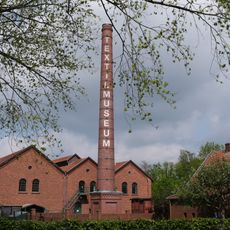
In the early 13th century, the settlement gained town rights and became a trading hub in the western Münsterland region. The Hanseatic League supported cross-border trade, especially in textiles and linen.
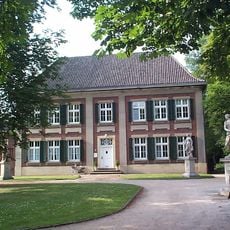
The place name comes from Old Low German and may refer to a forest clearing near flowing water, reflecting the settlement's origins along a small river. Visitors notice the strong Dutch influence in shop signs, architecture, and street layout, especially in the older parts of town.
A dense network of cycling paths connects the center with surrounding neighborhoods and continues across the Dutch border. Visitors find several marked routes suitable for day trips.
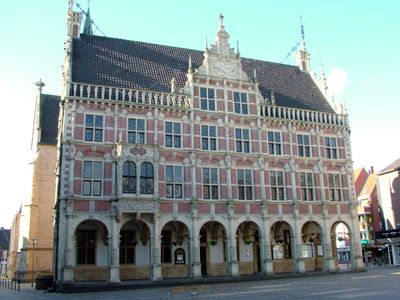
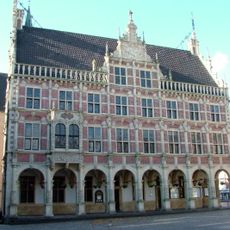
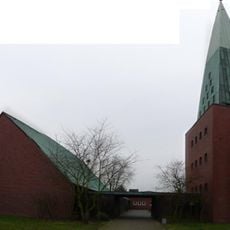
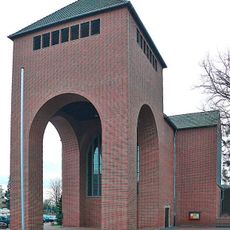
After the Second World War, much of the old town was rebuilt with simplified facades to provide housing quickly. Today, careful observers can spot which buildings follow original designs and which show postwar reinterpretations of older forms.
The community of curious travelers
AroundUs brings together thousands of curated places, local tips, and hidden gems, enriched daily by 92,326 contributors worldwide.