Bundesrat, Upper house in Berlin, Germany
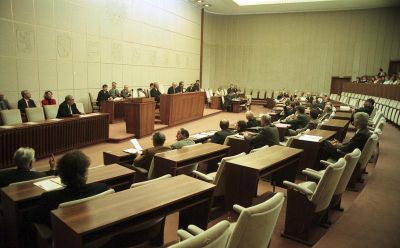
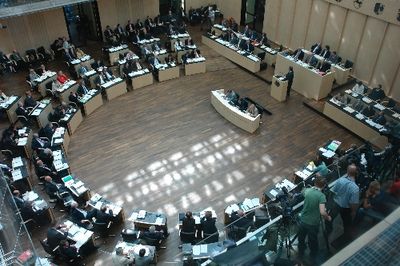
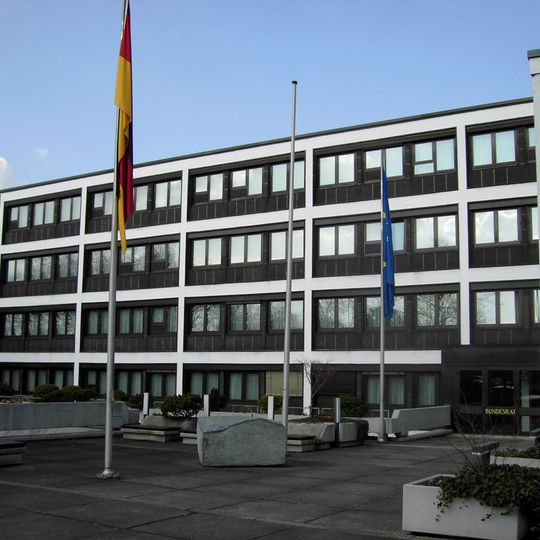
The Bundesrat is the chamber representing the states of the Federal Republic of Germany, based in Berlin. It consists of 69 delegates from the 16 federal states, with each state holding a different number of votes depending on the size of its population.
The institution was created in 1949 through the Basic Law after the Second World War as a constitutional organ of the new Federal Republic. It drew on older forms of federal representation that had existed in Germany since the 19th century.
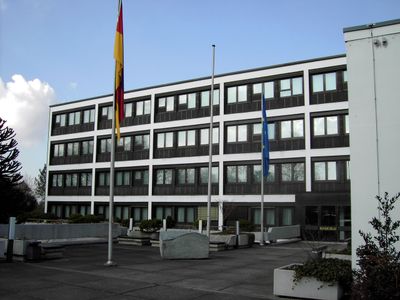
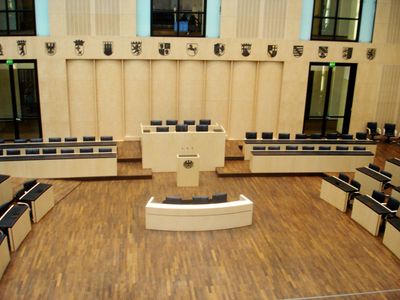
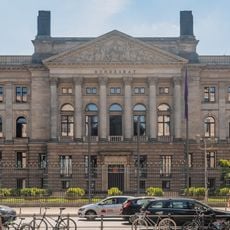
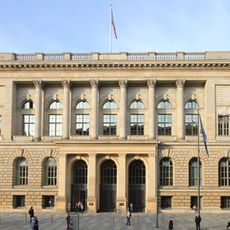
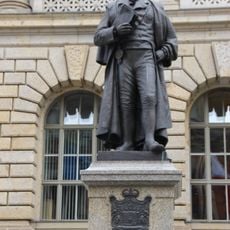
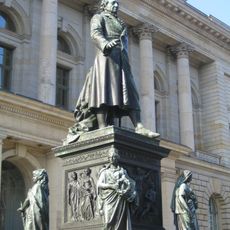
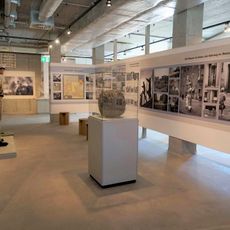
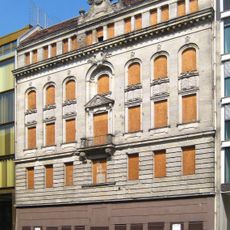
The Bundesrat meets in the former Prussian House of Lords, where modern democracy now occupies rooms once used by aristocrats. The building reminds visitors how political power has shifted over generations, turning an old chamber of privilege into a working federal institution.
Voting strength ranges from three to six votes per state, giving smaller regions a stronger voice relative to their population. This arrangement ensures that all regions can influence federal legislation, regardless of their size.
The president, who rotates annually among state premiers, steps in as acting head of state whenever the federal president is unavailable. This rotation ensures that every state eventually leads the chamber for a year.
The community of curious travelers
AroundUs brings together thousands of curated places, local tips, and hidden gems, enriched daily by 92,485 contributors worldwide.