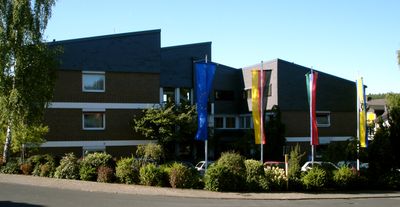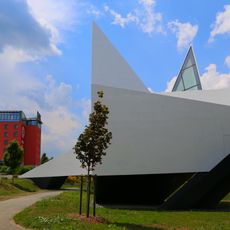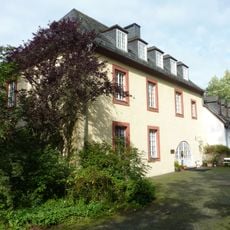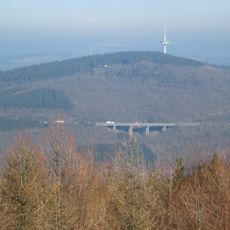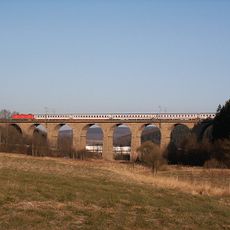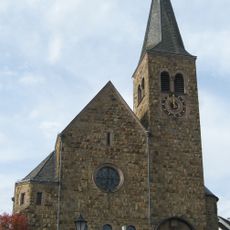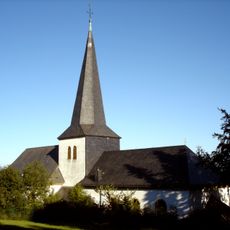
Wilnsdorf, municipality in the district of Siegen-Wittgenstein, in North Rhine-Westphalia, Germany
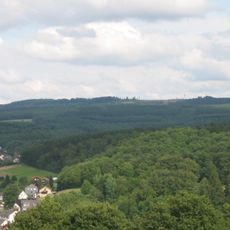
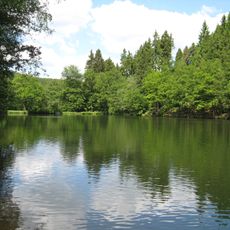
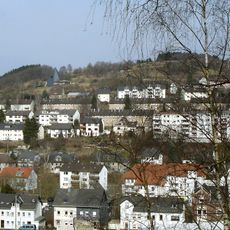
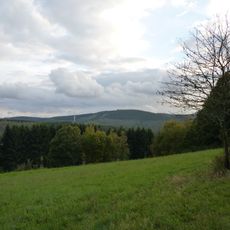
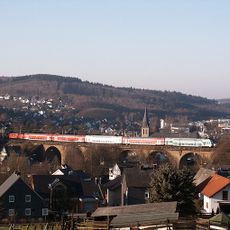
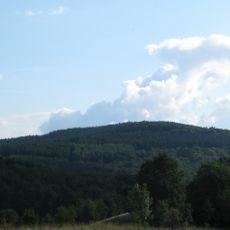
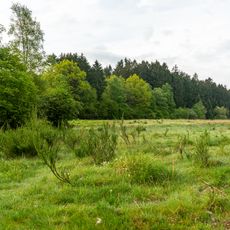
Wilnsdorf is a small non-urban municipality in the Siegen-Wittgenstein region, nestled between rolling hills and green countryside. It consists of several villages including Niederdielfen and Oberdielfen, named after the Dielfe river that flows through the area.
Wilnsdorf was first documented in 1185 as Willelmesdorf and served as a center of iron mining for centuries, with eight active mines until the early 20th century. The town long fell under the rule of the Nassau family, from whom it adopted its blue and yellow colors that remain today.
The name Wilnsdorf may derive from Wieland, a legendary blacksmith whose story reflects the town's deep ties to craftsmanship and metalworking. Today, residents keep traditions alive through community gatherings, local markets, and festivals that celebrate regional crafts and food.
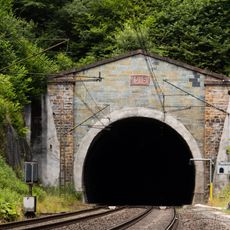
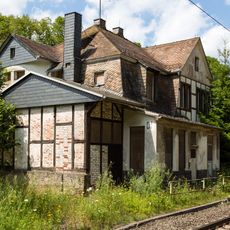
The town sits along Bundesstraße 54 and connects via the A45 autobahn, making travel straightforward. A train station on the Dill railway line links Wilnsdorf to nearby cities like Siegen, offering easy regional travel.
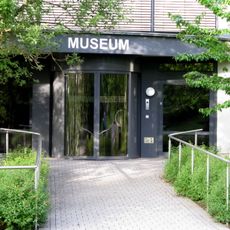
A restored 18th century watermill in Niederdielfen still operates today with original gears and machinery intact. Visitors can see how grain was ground using water power in past centuries, while a nearby museum displays old tools and equipment from the region.
The community of curious travelers
AroundUs brings together thousands of curated places, local tips, and hidden gems, enriched daily by 91,415 contributors worldwide.