Museum zur Vorgeschichte des Films, Film history museum in water tower at Broich district, Mülheim an der Ruhr, Germany.
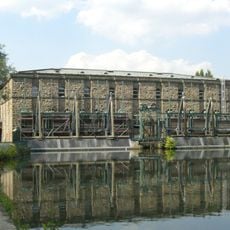
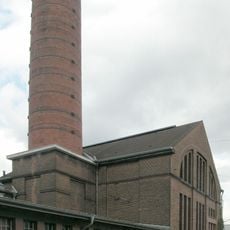
The Museum zur Vorgeschichte des Films is housed in a 25.5 m high water tower in the Broich district of Mülheim, built in 1904 to supply locomotives at the nearby railway workshop. Its water tank holds the world's largest walk-in camera obscura, installed in 1992, while the three floors below display over 1,100 exhibits from the collection of Wuppertal photographer KH. W. Steckelings, dating from 1750 to 1930.
The water tower was built in 1904 for railway operations and survived World War II. In 2006 the structure became a museum displaying objects from 1750 to 1930.
The rooms inside document how people once viewed moving images using early devices and optical tools. This space shows how technological progress shaped the way humans saw and understood the world.
The museum closes during the winter months, so plan a visit in the warmer half of the year. The tower stands in the Broich district beside the former railway roundhouse, and tower and roundhouse together form a stop on the Route der Industriekultur. The camera obscura sits in the former water tank above the three exhibition floors.
The camera obscura was installed in the water tank for the 1992 MüGa regional garden show, following an idea by Werner Nekes. Its optics came from Carl Zeiss Jena, and the €250,000 project was financed entirely by donations. The rotating head with a tilting mirror and a three-lens system projects objects from 13 metres to the horizon onto a table about 10 metres below.
The community of curious travelers
AroundUs brings together thousands of curated places, local tips, and hidden gems, enriched daily by 94,317 contributors worldwide.