Borgfeld, Residential neighborhood in Bremen, Germany
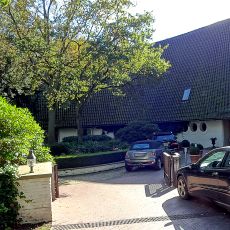
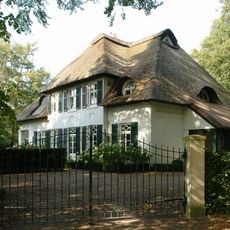
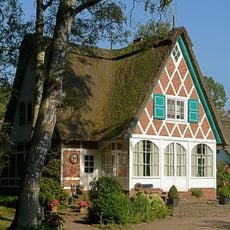
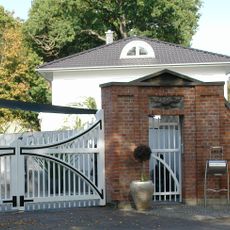
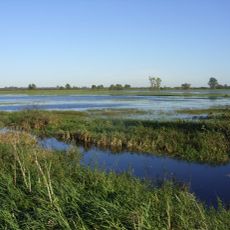
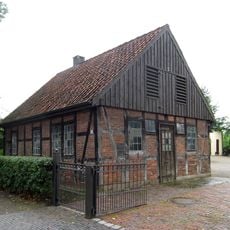
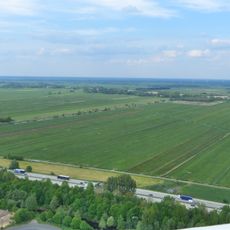
Borgfeld is a residential neighborhood on Bremen's eastern edge that spans across 16 square kilometers and mixes modern homes, traditional buildings, and agricultural fields. The area offers a blended living environment with open green spaces and developed sections.
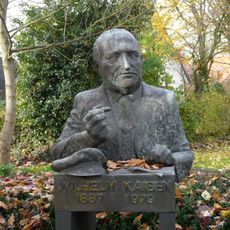
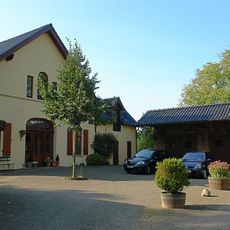
Borgfeld was first documented in 1235, when its name referred to a fortified castle at a Wümme crossing. The village of Katrepel was mentioned in 1278 and merged into Borgfeld in 1889. In 1945 the rural municipality was incorporated into Bremen. Wilhelm Kaisen, Bremen's mayor from 1945 to 1965, moved into the Katrepel settlement in 1933 and lived there until his death in 1979; his home is now the Wilhelm Kaisen Documentation Center.
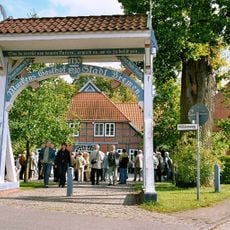
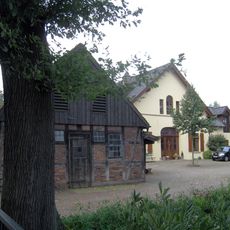
The neighborhood preserves farming traditions through active farms and barns that shape its identity as a village within Bremen's city limits. This rural character remains visible in the landscape and daily life.
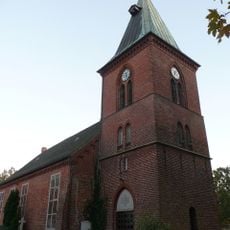
Borgfeld lies on the Wümme in Bremen's northeast, bordering Lilienthal to the north and Oberneuland and Horn-Lehe to the south. The old centre with the church and Ortsamt is in Borgfeld-Ost; Katrepel lies in the southeast, Timmersloh outside the Wümme dike. Tram line 4, built in 2002, links the district with central Bremen.
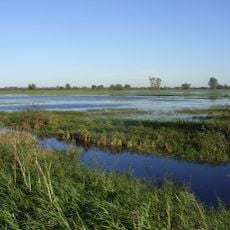
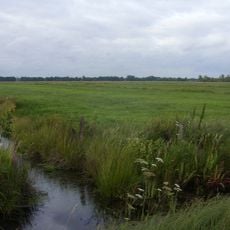
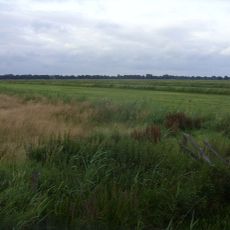
The Borgfelder Wümmewiesen, Bremen's largest nature reserve, transforms into an ice skating area during winter when the meadows naturally flood and freeze. This seasonal shift creates an unexpected winter activity spot within the city.
The community of curious travelers
AroundUs brings together thousands of curated places, local tips, and hidden gems, enriched daily by 93,899 contributors worldwide.