Belvedere on the Pfingstberg, Palace in Nördliche Vorstädte, Germany
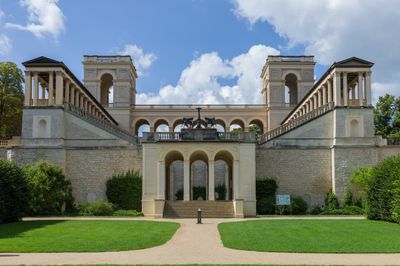
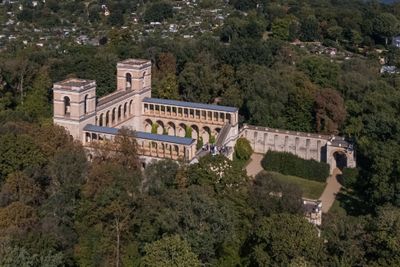
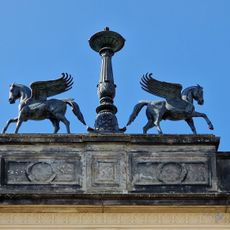
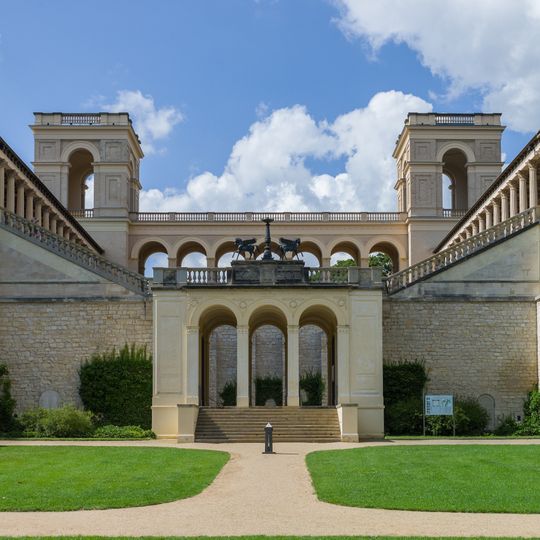
The Belvedere on the Pfingstberg is a palace with twin prospect towers reflecting Italian Renaissance style, while its wings display Roman architectural elements adorned with Greek decorative details. The building opens toward a three-sided courtyard with viewing terraces connected by multiple staircases.
King Friedrich Wilhelm IV of Prussia commissioned the building in 1847, and construction extended until 1863, three years after his death. The structure rose during an era when European royal courts were drawn to historical styles and incorporated them into new constructions.
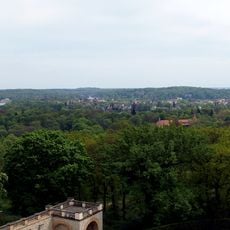
The palace has been a favored viewing spot where people could experience both the architecture and the surrounding landscape, valued by locals for its elevated position. The structure also reflects the artistic tastes of its time, showing how royal patrons combined different European architectural styles.
Access to the building moves through a three-sided courtyard, from which visitors climb several staircases to reach the viewing points. Wearing sturdy footwear and allowing time to ascend the stairs helps visitors enjoy the observation terraces fully.
During the Cold War, this once-popular destination became a restricted zone due to its closeness to military sites, cutting off public access for many years. This episode shaped its story and transformed it into a place holding deeper narratives for those who visit today.
The community of curious travelers
AroundUs brings together thousands of curated places, local tips, and hidden gems, enriched daily by 91,282 contributors worldwide.