Fulda railway station, Cultural heritage railway station in Fulda, Germany.
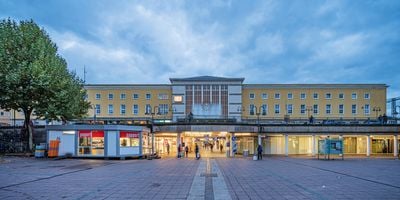
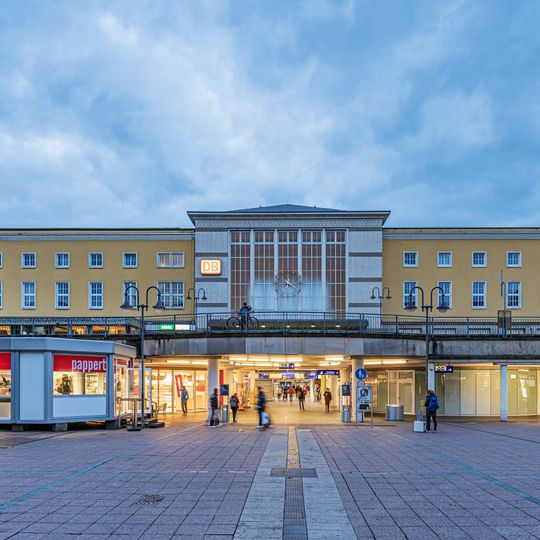
Fulda railway station is a through station in central Germany with ten continuous tracks, seven serving passenger trains and three operating as terminal tracks for regional services. The facility sits at 281 meters elevation and functions as a major junction point in the German rail network.
The station was built in 1866 as part of the Frankfurt-Bebra railway line, marking an early chapter in regional rail development. Following its destruction during World War II, it was completely rebuilt between 1946 and 1954, giving it its present structure.
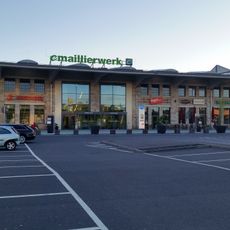
The main building showcases post-war German railway design with its central glass-roofed lobby and clean lines from the reconstruction period. The architecture reflects the practical approach to station design that became common after 1945.
The station is easy to navigate on foot with clear signage throughout the grounds to help you find your way. Allow extra time during busy periods when multiple trains arrive and depart, as the platforms can become crowded.
The facility hosts one of only three DB Netz Notfalltechnik centers in Germany, serving as a base for emergency repairs and safety operations across the entire railway network. This specialized role makes it a critical part of keeping the rail system running safely.
The community of curious travelers
AroundUs brings together thousands of curated places, local tips, and hidden gems, enriched daily by 90,833 contributors worldwide.