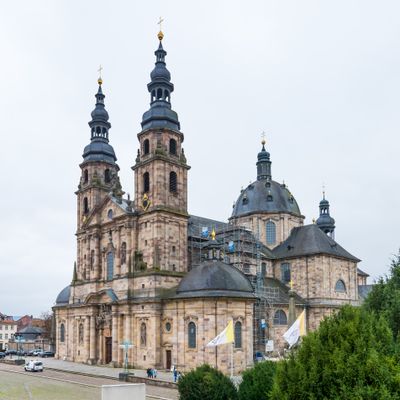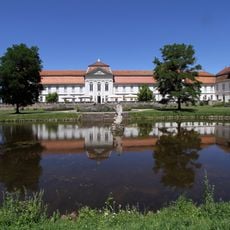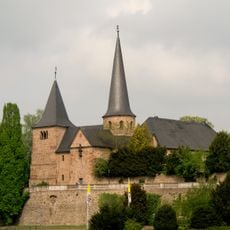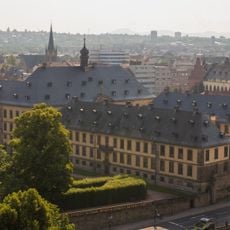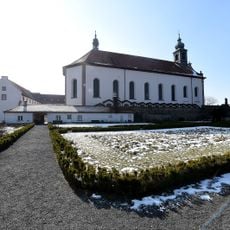
Fulda, District capital in Hesse, Germany
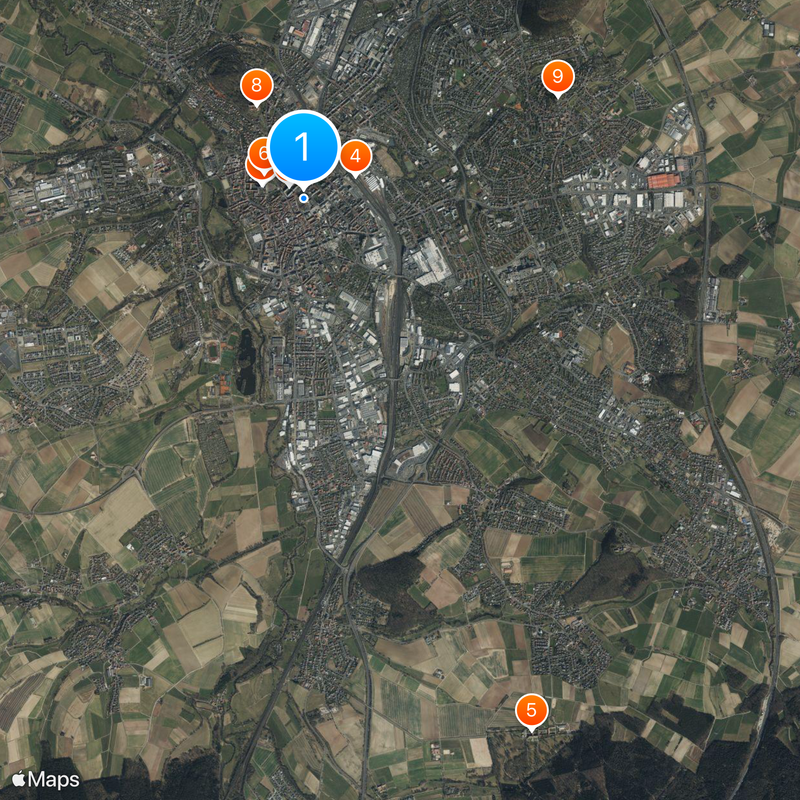
Fulda is a district capital in Hesse that extends along the river of the same name between the Rhön and Vogelsberg uplands at an elevation of 261 meters. The settlement serves as a central transport hub with direct links to the Hanover-Würzburg high-speed line and several regional motorway routes.
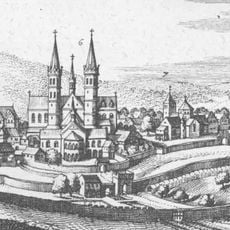
The settlement arose in 744 when Saint Sturm founded a Benedictine monastery that received independence from local bishops through papal decree in 751. Over the centuries, the monastery developed into an important spiritual and political center in the German territories.
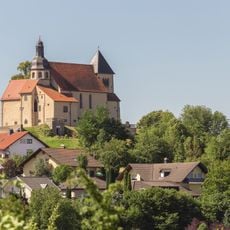
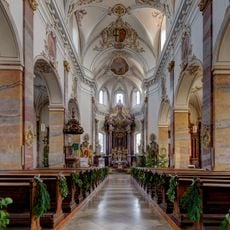
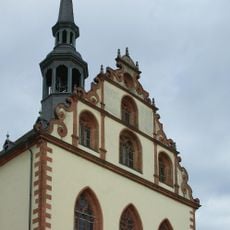
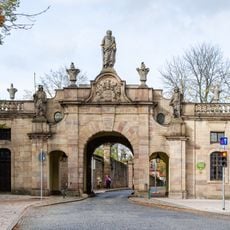
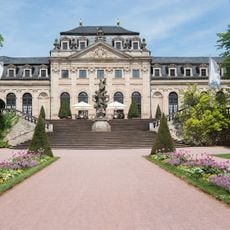
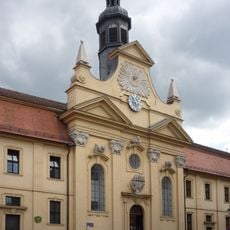
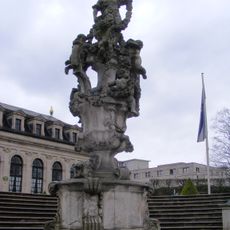
The river that shares its name with the settlement flows through the old town, where baroque facades and narrow lanes shape the urban texture. Locals maintain a strong attachment to their cathedral town, and traditional festivals throughout the year draw crowds to the squares in front of historic buildings.
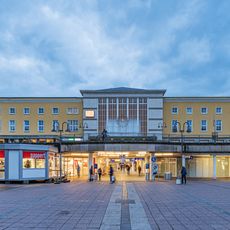
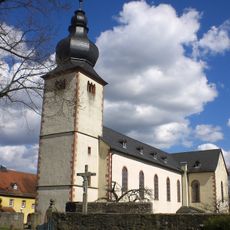
Visitors reach the cathedral town easily via the high-speed line or several motorway exits and find well-signposted routes to the main sights in the old town. Most baroque buildings lie within walking distance of each other, so a tour can be completed without much effort.
The town holds the designation International Dark Sky Community and implements targeted measures to reduce light pollution and enable observation of the night sky. Special lamps and lighting guidelines protect the darkness over the surrounding hills.
The community of curious travelers
AroundUs brings together thousands of curated places, local tips, and hidden gems, enriched daily by 90,874 contributors worldwide.