Witches' tower, Medieval watchtower in Fulda, Germany
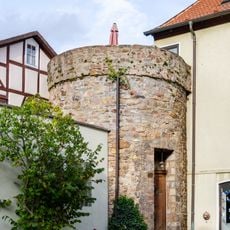
The Witches' Tower is a 14-meter-high tower of Fulda's medieval city fortifications, built in the 12th century as part of the inner city wall and the north gate, which separated the town from the monastery district. It is the best-preserved tower of Fulda's medieval fortifications and is visible to the public on Kanalstrasse.
The tower was built in the 12th century as part of Fulda's inner city wall and the northern gate, separating the town from the monastery precinct. It was never used as a women's prison; original documents from 1603 show that victims of the witch hunts were held in Fulda's Stadtschloss. In 1808 the tower was recorded as "Turm am Frauentörlein", and the name Hexenturm only arose in popular usage in the mid-19th century.
The name Hexenturm only arose in popular speech in the mid-19th century; city archive files show the tower was called "Turm am Frauentörlein" in 1808, a name confirmed by a contemporary drawing from 1845. Until its restoration in 2026 a sign on the tower pointed to the memorial for the 270 victims of witch persecution in Fulda, erected in November 2008 on the Alten Dompfarrlichen Friedhof.
The tower stands on Kanalstrasse and is visible from the public street; there is no interior to visit. It is Station 11 of Fulda's audio-guide tour of the old town. Until restoration in 2026, a sign on the tower pointed to the memorial for the 270 victims of the witch hunts, set up in November 2008 on the Alten Dompfarrlichen Friedhof.
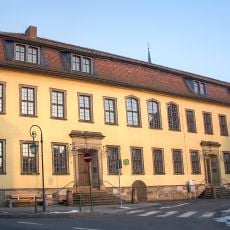
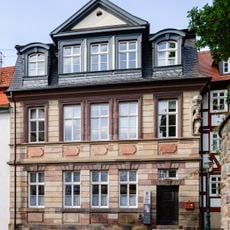
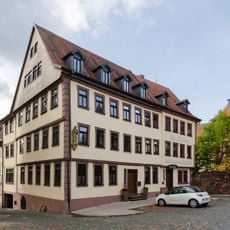
The house next to the tower on Kanalstraße is the birthplace of Ferdinand Braun, inventor of the Braun tube, the cathode-ray tube that made television possible. The tower itself is stop No. 11 on Fulda's audio-guide tour.
The community of curious travelers
AroundUs brings together thousands of curated places, local tips, and hidden gems, enriched daily by 92,633 contributors worldwide.