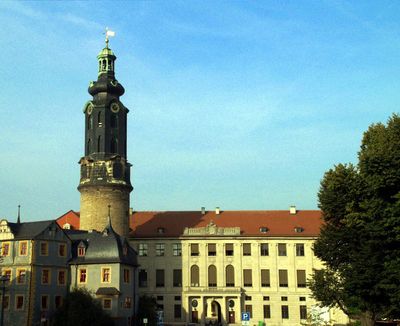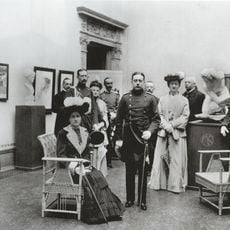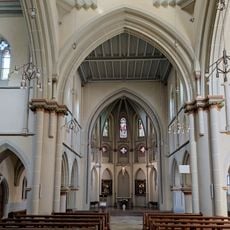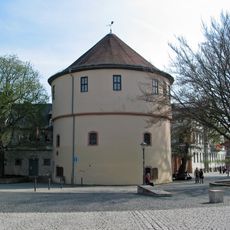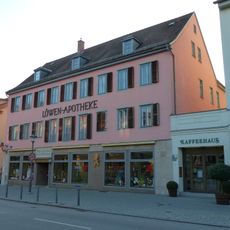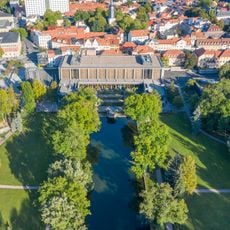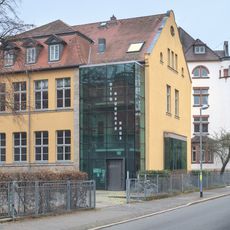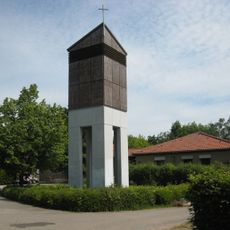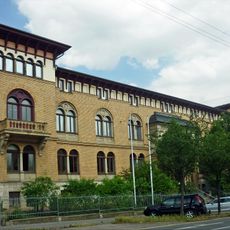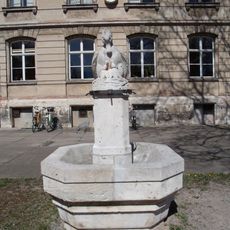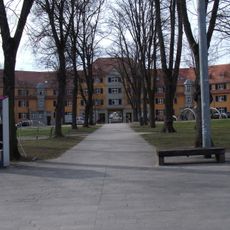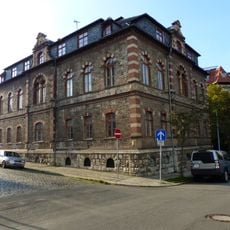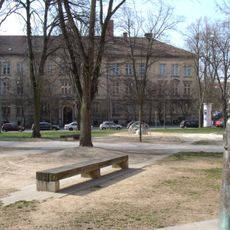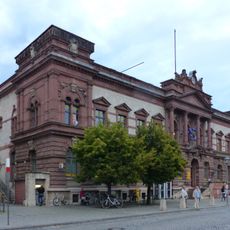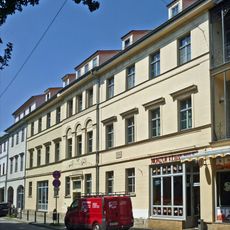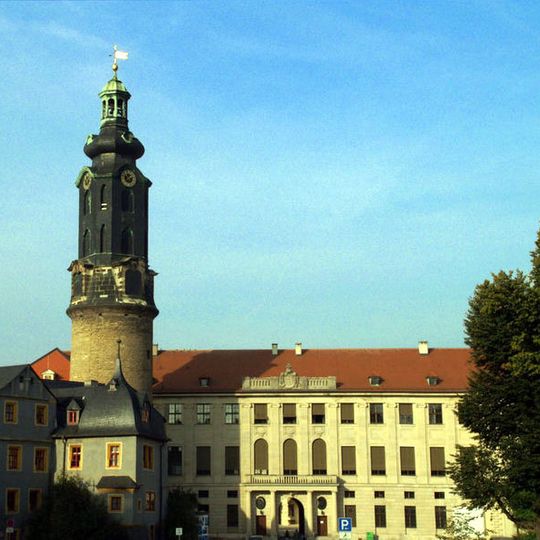
Classical Weimar, UNESCO World Heritage architectural ensemble in Weimar, Germany.
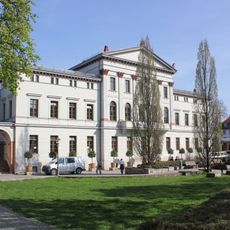
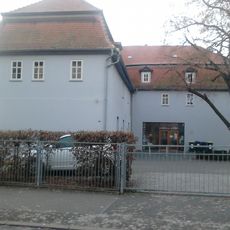
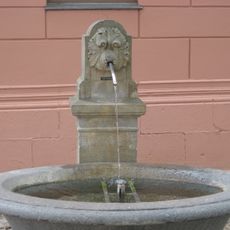
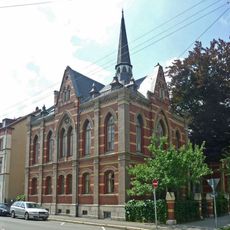
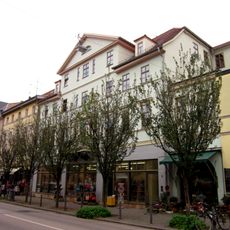
Classical Weimar is an ensemble of eleven distinct sites showcasing German architecture and design from the late 18th and early 19th centuries. The houses and buildings remain relatively modest in scale, with rooms, furnishings, and personal objects that document how people lived during that era.
The city became a center for artists and writers starting around 1772, after Johann Wolfgang von Goethe and Friedrich Schiller settled there. This period lasted until about 1805 and shaped Weimar's reputation as a place of intellectual flowering.
The names of the sites honor the great minds who lived and worked here. Visitors can sense how the city has respected its former residents by preserving their homes and workplaces for future generations.
Visitors should wear comfortable shoes since the sites are spread across the city and walking is needed to explore them. Good orientation helps when finding the different houses, as they are not all located right next to each other.
The Garden House stands in the Park on the Ilm and was Goethe's private place for writing and observing nature. Many of his works were created there while he pursued botanical studies and explored the landscape around him.
The community of curious travelers
AroundUs brings together thousands of curated places, local tips, and hidden gems, enriched daily by 92,633 contributors worldwide.