Bad Bertrich, municipality in Germany
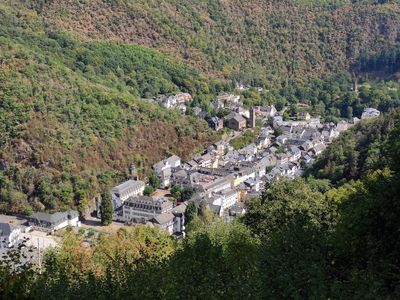
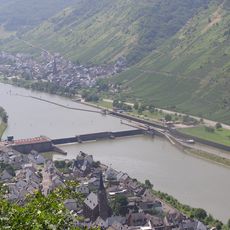
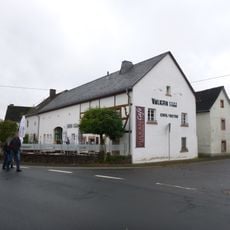
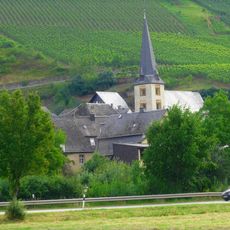
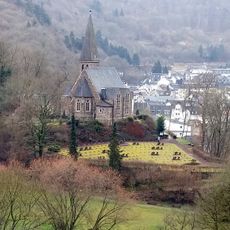
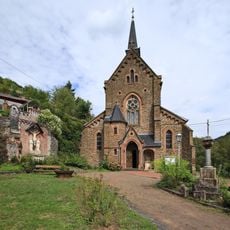
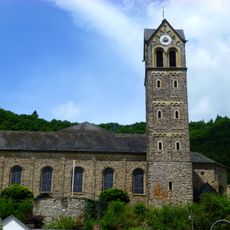
Bad Bertrich is a small spa town in the Eifel region situated in a quiet valley called Üßbachtal near the Moselle River. The town features historic villas and spa buildings from different eras, with warm mineral springs forming its core, complemented by modern wellness facilities such as the Vulkaneifel-Therme offering indoor and outdoor thermal pools.
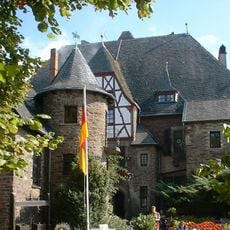
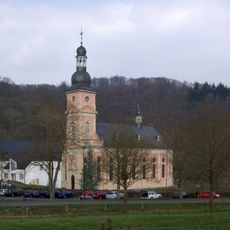
Bad Bertrich was already known in Roman times as Bertriacum and served as an important bathing site where emperors and wealthy visitors enjoyed the warm mineral springs. The first written mention occurred in 1097, and during the late medieval period it developed into a well-known spa under the control of the Prince-Elector of Trier, reflected in the construction of the Prince-Elector's palace in the 18th century under Clemens Wenceslaus.
Bad Bertrich draws its name from Saint Bertrich and builds its identity around the tradition of thermal springs that have attracted visitors for centuries. The town presents itself as a place where guests bathe in warm mineral waters while seeing historic villas and spa buildings that reflect its longstanding role as a healing destination.
The town is small and easy to explore on foot, with clear pathways to natural sites and the town center. Buses connect Bad Bertrich to train stations in nearby larger cities such as Cochem and Ulmen, making travel by public transport straightforward.
During the 2006 FIFA World Cup, the Swiss national soccer team selected Bad Bertrich as their training camp and stayed at Häcker's Kurhotel Fürstenhof. This unexpected international spotlight brought significant media attention to the small town and remains a proud moment in local memory.
The community of curious travelers
AroundUs brings together thousands of curated places, local tips, and hidden gems, enriched daily by 92,652 contributors worldwide.