Skulpturensammlung Dresden, Art collection in Dresden, Germany
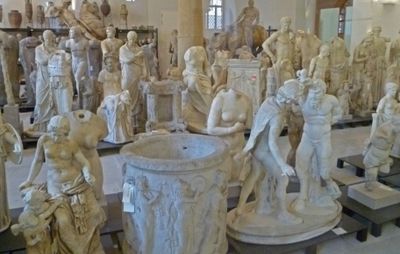
The Skulpturensammlung Dresden displays sculptures spanning five thousand years, from classical antiquity to modern art, located across two historic buildings. The works are arranged chronologically: the Zwinger shows pieces up to 1800, while the Albertinum presents artistic developments from 1800 onwards.
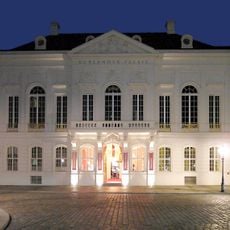
The collection grew from the Kunstkammer founded in 1560 by Elector August of Saxony, not from Augustus the Strong. Augustus II, Elector of Saxony and King of Poland, gave it its real foundation: agents in Rome and Paris bought antiquities, and in 1728 he acquired 160 sculptures from the Chigi estate and 34 works from Cardinal Albani. From 1729 the pieces were shown in the Palais im Großen Garten; in 1736 the three Herculaneum Women came from Vienna.
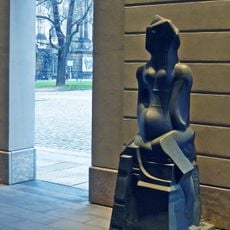
The name Skulpturensammlung dates from the Albertinum era, when the old title Antiken-Kabinett no longer fitted the growing holdings. The Klingersaal pairs sculpture with painting of the Fin de siècle, with works by Böcklin, Klinger, Stuck and Schneider; the Mosaiksaal centres on morality, shown through Classicist sculpture, notably by Ernst Rietschel. Works by GDR artists Wieland Förster, Werner Stötzer and Helmut Heinze are also on view.
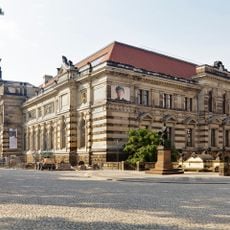
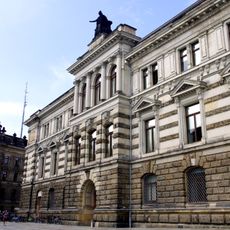
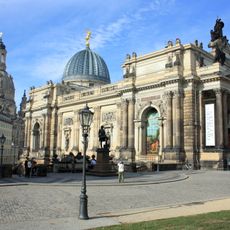
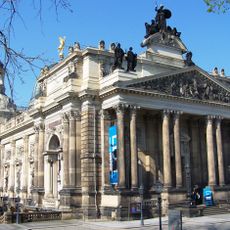
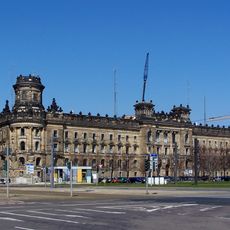
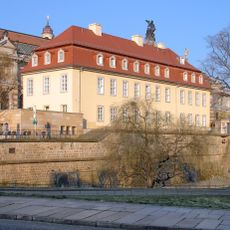
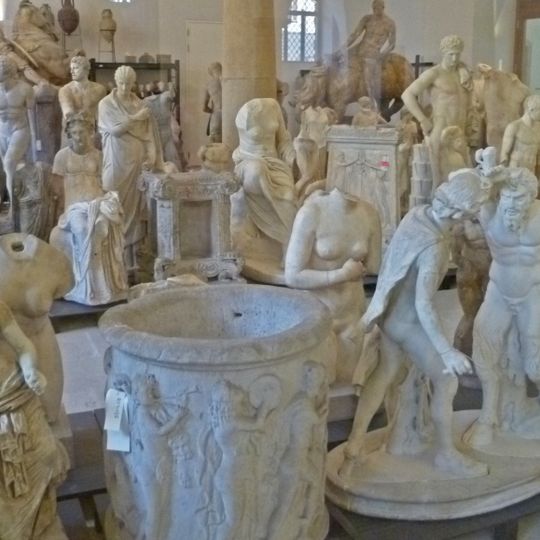
Since 2020 the collection up to 1800, including the antiquities, is shown in the Osthalle of the Semperbau am Zwinger, while works from 1800 onward remain in the Albertinum. The Albertinum reopened on 19 June 2010 after renovation and a new depot built following the 2002 Elbe flood. A selection of the antiquities is on view in an experimental display storeroom on the Albertinum's ground floor.
The collection ranks among the oldest outside Italy and preserved its holdings through extremely difficult circumstances. After being removed by Soviet forces, many works did not return to Dresden until 1958.
The community of curious travelers
AroundUs brings together thousands of curated places, local tips, and hidden gems, enriched daily by 92,993 contributors worldwide.