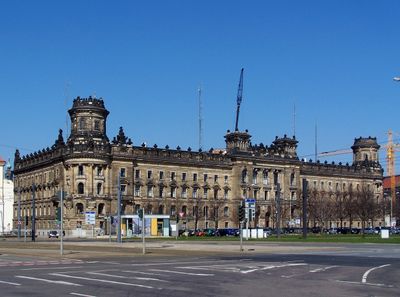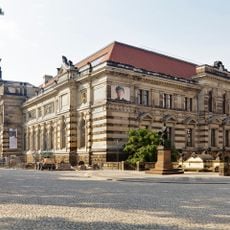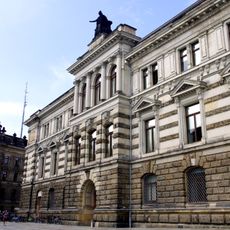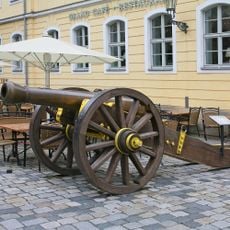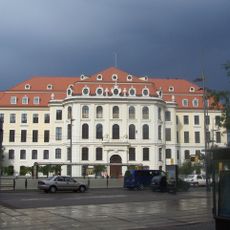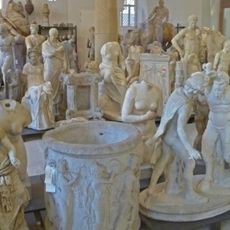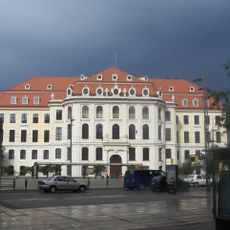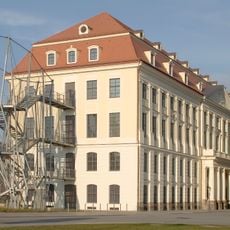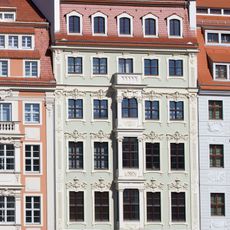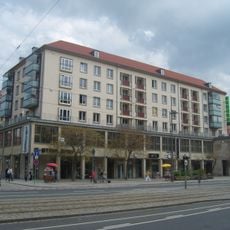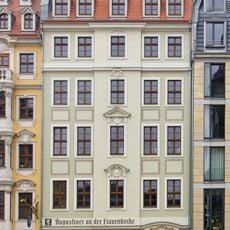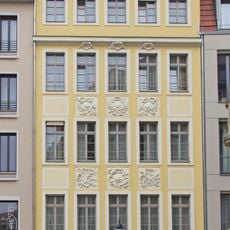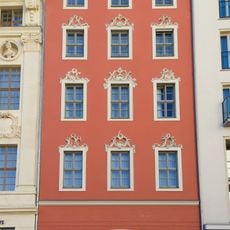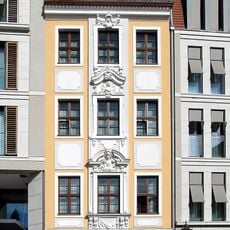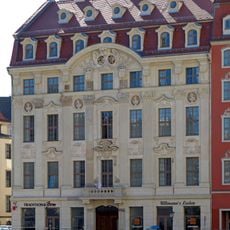
Saxon Police History Collection, Police museum in Dresden, Germany.
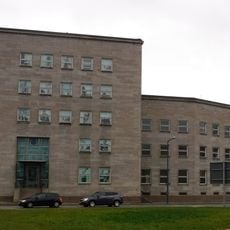
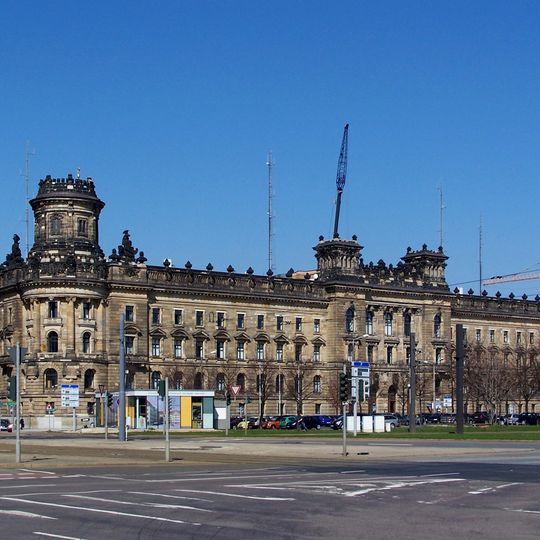
The Saxon Police History Collection is a police museum in Dresden located in several attic rooms of the Police Headquarters building. The holdings number around 4,000 objects spanning different periods of law enforcement history.
The museum was founded in 1894 by Police President Paul Köttig and was among Europe's largest collections of this kind at the time. The holdings were significantly reduced during the Second World War.
The collection preserves teaching materials from Saxon police training, including a "typology of born criminals" based on Cesare Lombroso's theory of criminal types. A comb helmet was made for Dresden's police on the Austrian model because the Saxon king would not allow Prussian spiked helmets in his residence city. A 2018-donated painting of the "Karajan of Schillerplatz" represents the post-reunification era.
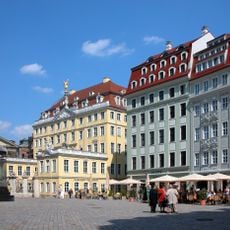
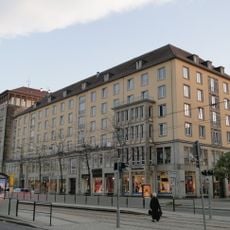
The museum is located between Neumarkt and Pirnaischer Platz and is accessible only by advance registration. Visitors should plan ahead and arrange a guided tour, as the collection is housed in the upper areas of the building.
Among the holdings are original wanted photographs of Luigi Lucheni, the assassin of Empress Elisabeth of Austria-Hungary. A walking stick that concealed a gun, used by poachers to fool foresters into the early 20th century, is also on display, as is a bolt gun used in a murder of a couple in Saxony.
The community of curious travelers
AroundUs brings together thousands of curated places, local tips, and hidden gems, enriched daily by 94,928 contributors worldwide.