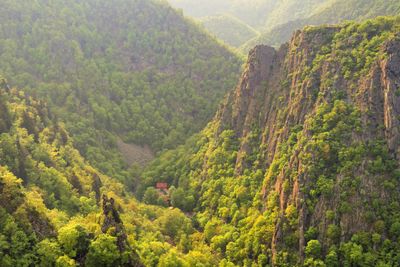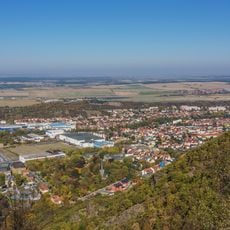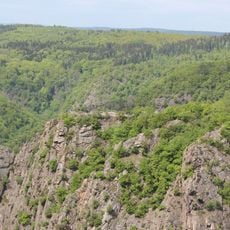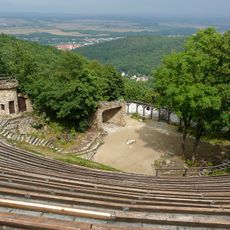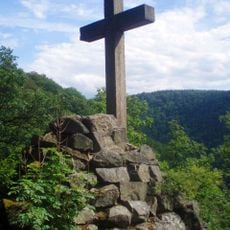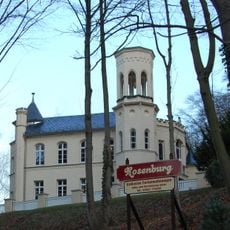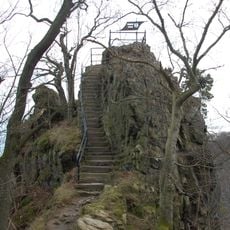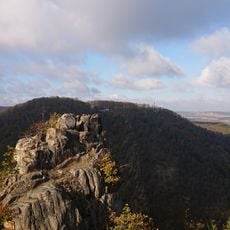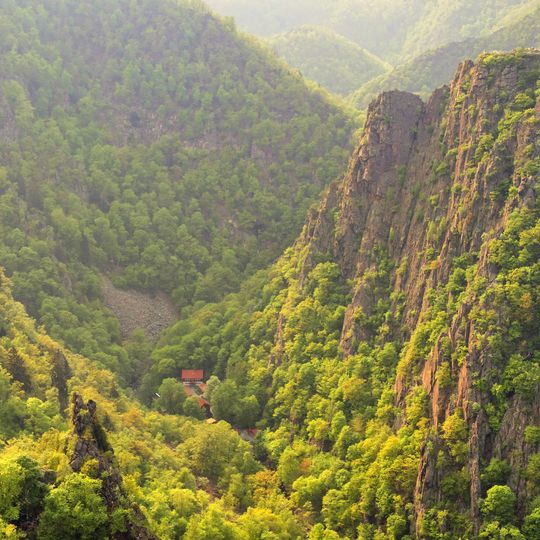
Bode Gorge, Nature reserve in Harz District, Germany.
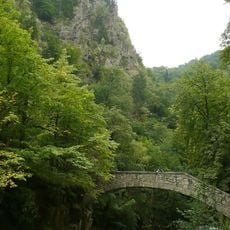
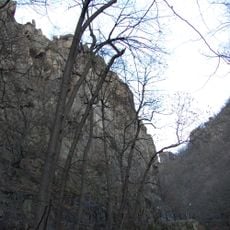
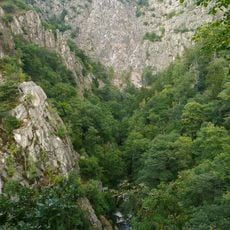
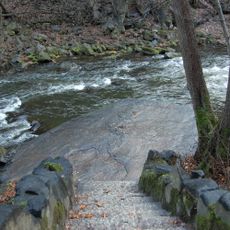
Bode Gorge is a canyon carved by the Bode River through granite rock in the Harz Mountains, featuring steep cliff walls that rise dramatically above the water. The riverbed contains rapids, gravel bars, and islands that shift with seasonal water levels.
The gorge formed over millions of years as the Bode River continuously flowed through granite, slowly sculpting the valley deeper. The site gained protection status in 1937 to safeguard its natural features and geological importance.
Johann Wolfgang von Goethe explored the gorge in 1784, followed by Alexander von Humboldt in 1790, documenting their observations.
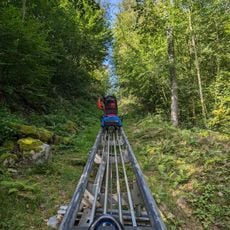
A marked walking trail runs about ten kilometers between Treseburg and Thale, staying close to the river and offering continuous views of the cliffs. The path is walkable for most people but can be slippery when wet and includes some uneven sections.
The cliff walls display distinct layers of granite that tell the story of rock formation over millions of years, making the geological history visible from the trail. Few visitors realize they are walking through a record of deep time written in stone.
The community of curious travelers
AroundUs brings together thousands of curated places, local tips, and hidden gems, enriched daily by 91,871 contributors worldwide.