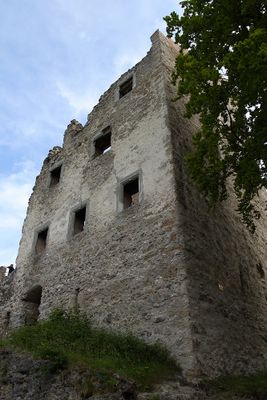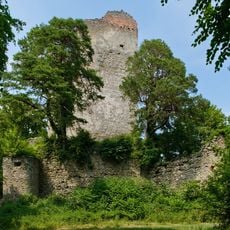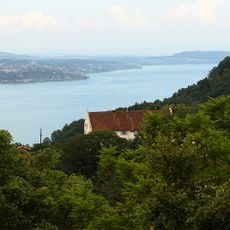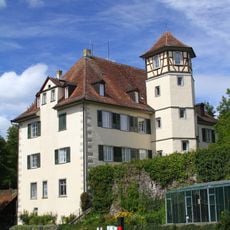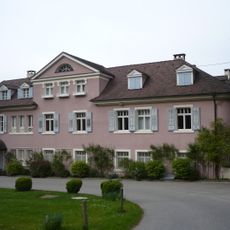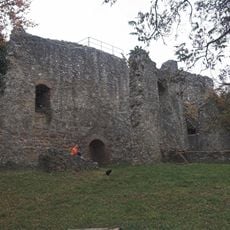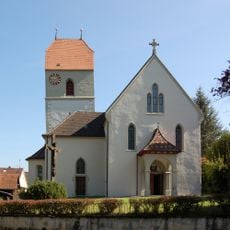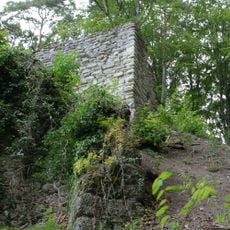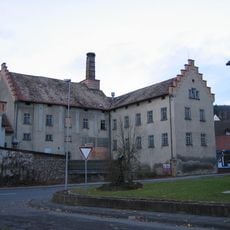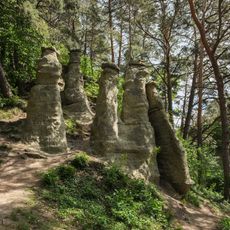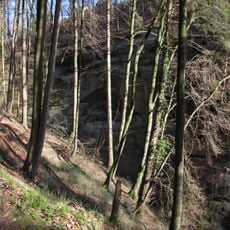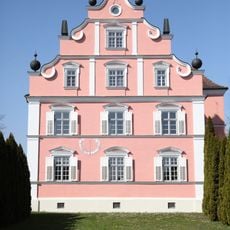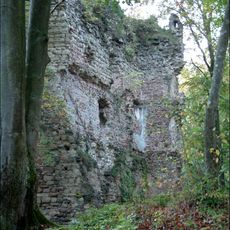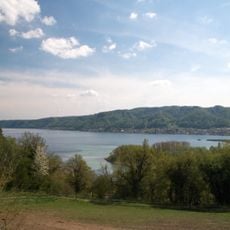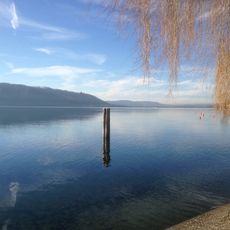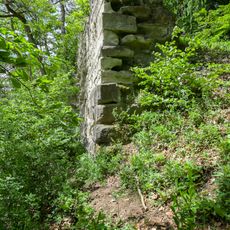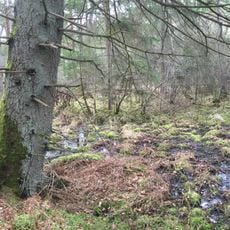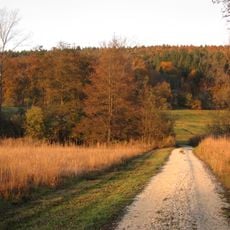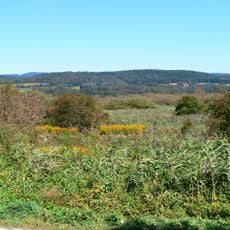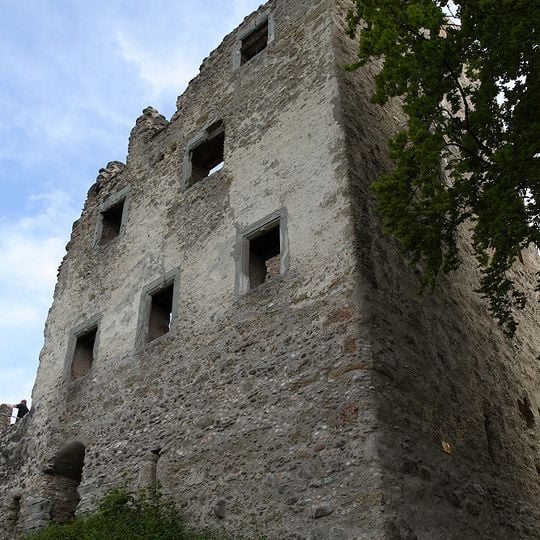
Burg Bodman, Medieval castle ruins in Bodman-Ludwigshafen, Germany.
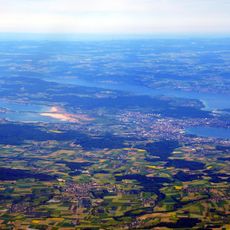
Burg Bodman, also called the Carolingian Königspfalz, is a vanished royal palace site near Bodman-Ludwigshafen. The palace stood slightly elevated, possibly enclosed by a light wall. On the adjacent hill lay the Bodenburg, an Urnfield-period hilltop settlement, and the Hals, considered Bodman's oldest fortification with traces from different eras. The castle of the lords of Bodman on a hill west of the Bodenburg dates only from the late 13th century.
Burg Bodman was a Carolingian royal palace built by the 9th century and expanded under Louis the Pious as the new centre of the Lake Constance region. It hosted a king thirteen times and issued royal charters between 879 and 912. A dispute between Count Palatine Erchanger and King Conrad I reduced its importance in the 910s, and it was no longer mentioned during the Hungarian invasion of 926.
The name Bodman comes from the noble family first documented in 1152 as ministeriales of the Diocese of Constance; in the 13th century they received the new castle, whose ruins stand on the hill west of the Bodenburg. The earlier Carolingian palace itself has left no visible masonry.
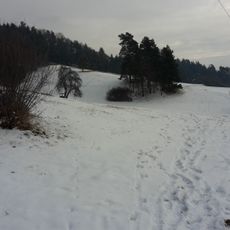
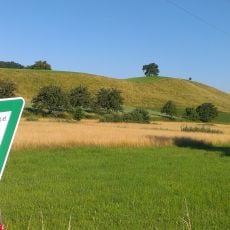
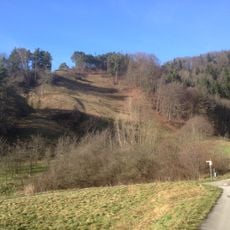
The site lies on a hill near Bodman-Ludwigshafen. Access is on foot only, via marked trails; the climb is short but uneven, so sturdy shoes help. The ruins of the 13th-century castle are the main visible remains, while nothing of the earlier Carolingian palace survives above ground.
The name Bodman first appears in records in 1152, when the nobles of Potamico are named as knights of the Bishopric of Constance. They received the new castle at Bodman in the 13th century, while the Carolingian palace itself left no ruins; only the 13th-century castle can be visited today.
The community of curious travelers
AroundUs brings together thousands of curated places, local tips, and hidden gems, enriched daily by 93,861 contributors worldwide.