Burse, Medieval university building in Tübingen, Germany
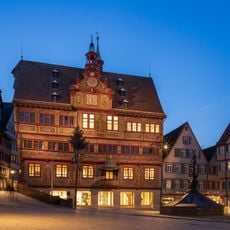
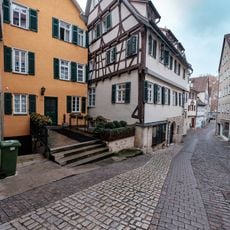
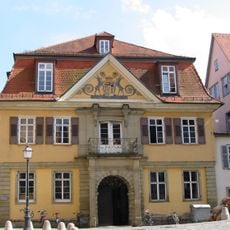
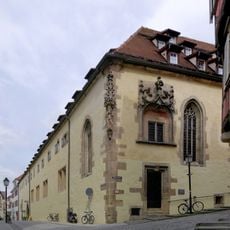
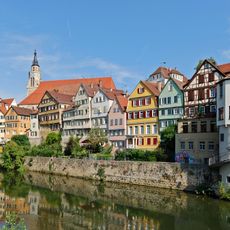
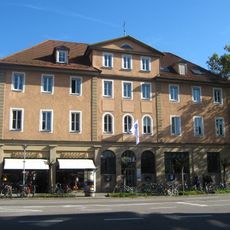
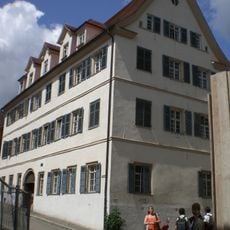
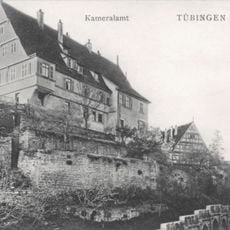
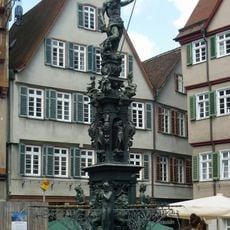
The Burse is a four-storey building with a half-hipped roof, built in its present form between 1803 and 1805 on elevated ground above the Neckar in southern Tübingen. Two stairways lead up from the plane-tree-lined square in front. Since 1972 it has housed the university's Philosophical Seminar and Art History Institute.
The building was constructed between 1478 and 1482 to teach foundational subjects to scholars aged 14 to 16 before they began advanced studies. From 1803 to 1805 it served as Tübingen's first university hospital, marking an important shift in how the institution was used.
The name 'Burse' comes from the Latin word for purse or treasury, referring to the communal fund that supported students living there together. It was a place where young scholars shared daily life, meals, and studies under one roof.
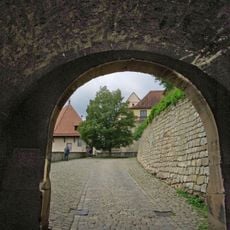
The Burse stands at Bursagasse 1, reached from Neckargasse via the lane that passes below the building; two stairways lead up from the plane-tree square in front. The Clinicumsgasse to the northwest recalls the former hospital use. The site lies slightly above the Neckar in the southern old town.
The palm tree and the motto "Attempto" carved into the central beam of the entrance area are still the logo of the University of Tübingen. A memorial plaque on the south side commemorates the reformer Philipp Melanchthon, who studied and taught here.
The community of curious travelers
AroundUs brings together thousands of curated places, local tips, and hidden gems, enriched daily by 92,773 contributors worldwide.