Turritellenplatte, Protected fossil site in Ulm, Germany.
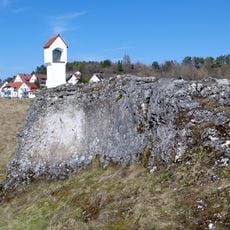
Turritellenplatte is a fossil site where marine shells lie so densely packed in sandstone that they form an almost continuous layer of preserved life. Wherever you look at the exposed rock surface, you see countless tiny snail shells interlocked and pressed together within the stone.
This deposit formed around 18 million years ago, when a shallow sea covered the area where Ulm now stands. As the water retreated over time, the shells solidified into stone, and today the site preserves this snapshot of an ancient marine world.
The site takes its name from the Turritella snail shells embedded throughout the rock, offering visitors a tangible connection to an ancient seabed. These preserved creatures tell the story of a time when this region was underwater, making distant geological time feel real.
You need to get permission from local forest authorities before visiting, as the site is fenced and protected by law. Take care on the exposed rock surfaces, which can be slippery when wet, and wear sturdy footwear.
What makes this site remarkable is the sheer density of fossils packed into the rock - thousands of snail shells can be visible on a single square foot of stone. This exceptional concentration puzzles and fascinates researchers trying to understand how such an accumulation could form.
The community of curious travelers
AroundUs brings together thousands of curated places, local tips, and hidden gems, enriched daily by 60,000 contributors worldwide.