Ulm, Medieval university city in Baden-Württemberg, Germany.
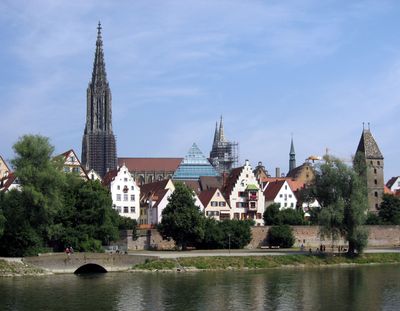
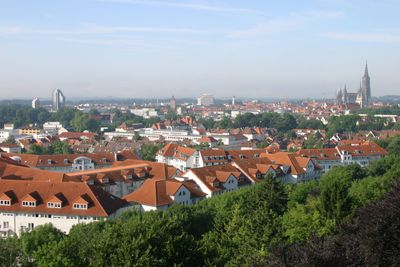
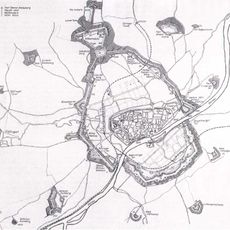
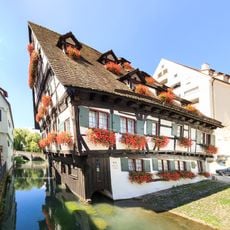
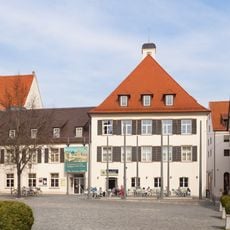
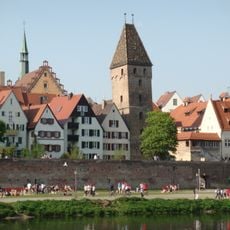
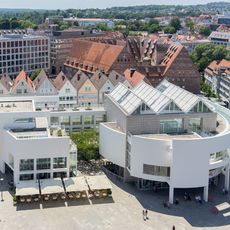
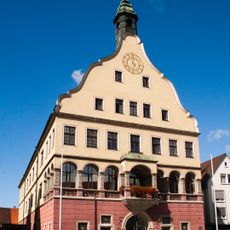
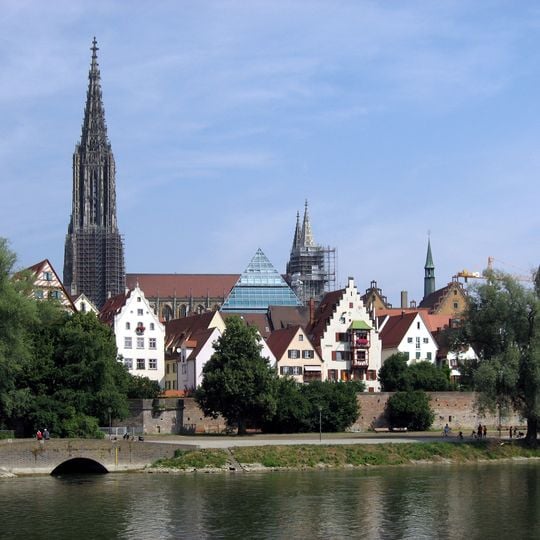
Ulm is a large urban center on the banks of the Danube in Baden-Württemberg, with districts featuring timber houses and stone structures along narrow lanes. The built area extends on both sides of the river, with the old quarter centered around the cathedral square and modern residential zones spreading further outward.
The settlement received imperial city status in 1181, becoming an important trading center for textiles, which brought considerable wealth during the 15th century. After the dissolution of the Holy Roman Empire, it lost its independence and became part of the Kingdom of Württemberg during the 19th century.
Local residents gather around the cathedral square for weekly markets and seasonal festivals, while the pedestrian streets between timber houses attract families and students who stroll among the shop windows. Cafés and restaurants along the waterfront reflect the blend of regional customs and academic life, giving the evenings a relaxed yet lively rhythm.
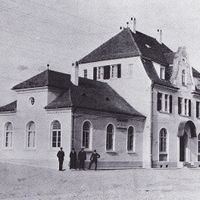
The main station connects directly to Munich, Stuttgart and Augsburg, with regional services extending throughout Baden-Württemberg and Bavaria. Walking routes lead from the station to the cathedral square in about ten minutes, while buses and trams run frequently to all districts.
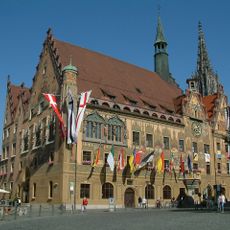
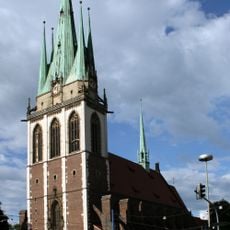
The cathedral holds the tallest church spire in the world at 161.53 meters (530 feet), with 768 steps leading to the viewing platform. Albert Einstein was born here before his family moved to Munich when he was still an infant.
The community of curious travelers
AroundUs brings together thousands of curated places, local tips, and hidden gems, enriched daily by 91,337 contributors worldwide.