Museum für Sepulkralkultur, Kassel, Death culture museum in Mitte, Germany
The Museum für Sepulkralkultur is an institution dedicated to the history and culture of burial practices, containing gravestones, coffins, hearses, mourning clothes, and decorative objects from different periods. The collection spans a large exhibition space and documents funeral traditions through their material expressions across centuries.
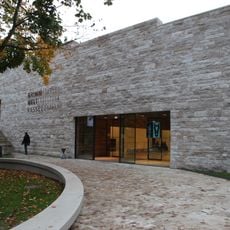
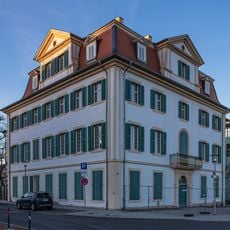
The museum opened in 1992 in a two-part building: the remise of the former Henschel Villa and a new structure by architect Wilhelm Kücker. It is run by the Arbeitsgemeinschaft Friedhof und Denkmal e. V. Reiner Sörries directed it from 1992 to 2015; Dirk Pörschmann has led it since 2018.
The museum reveals how people in German-speaking regions have expressed mourning and remembrance through objects across generations. Visitors can see how clothing, jewelry, and symbols shaped funeral practices and how these customs shifted over time.
The museum is not state-run but operated by the Arbeitsgemeinschaft Friedhof und Denkmal association, so funding for repairs is limited; in 2024 rainwater ingress and poor ventilation caused problems, and federal, state and city grants for the buildings were pledged. The complex includes a museum shop and a café with a covered courtyard and an open terrace overlooking Kassel. Gravestones, design objects and artworks are displayed in the front garden and the rear outdoor area.
The museum's graphics collection of roughly 16,500 sheets begins with works from the 15th century, and its public special library holds monographs, catalogues, offprints and journal articles on sepulchral culture. Since 2014 a separate department has documented multicultural developments in German cemetery and burial practice.
The community of curious travelers
AroundUs brings together thousands of curated places, local tips, and hidden gems, enriched daily by 94,327 contributors worldwide.