Franziskanerkloster Nürnberg, Medieval monastery in Nuremberg, Germany
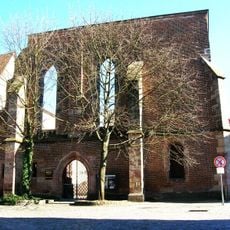
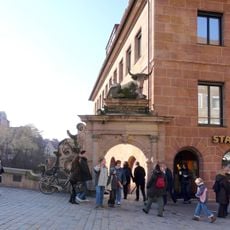
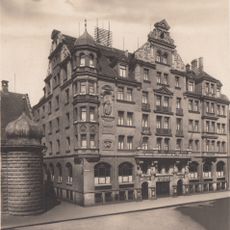
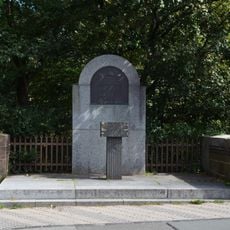
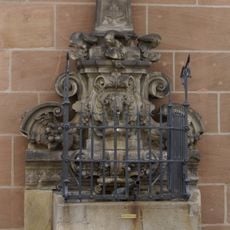
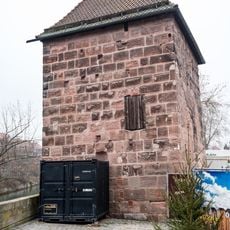
The Franciscan monastery in Nuremberg was a medieval religious community in the city center with Gothic features including pointed arches and stone chapel structures. The surviving sections of the choir and architectural components are now incorporated into modern buildings and accessible through the German National Museum.
The monastery was founded in 1224 by the Nuremberg burgraves and Conrad Waldstromer, receiving its initial monks from Bamberg. In 1447, the community joined the Observant reform movement, which brought significant changes to how the brothers practiced their faith.
The monastery served as a burial ground for wealthy Nuremberg families, who chose this sacred place to honor their deceased and display their status in the community. The tombs and burial traditions reflected the spiritual importance families placed on this Franciscan site.
Visitors can see the preserved parts of the monastery through the German National Museum, which houses exhibitions explaining the site's history and significance. The main access route is through the museum, where guides and informational materials about the location are available.
The monastery holds special significance for its connection to Nuremberg's most prominent families, including the Pirkheimers, whose libraries and collections later shaped the city's intellectual history. These wealthy patrons significantly supported the monastery's traditions and made it an important center for scholarship and cultural exchange.
The community of curious travelers
AroundUs brings together thousands of curated places, local tips, and hidden gems, enriched daily by 91,486 contributors worldwide.