Goldhort Gessel, Bronze Age archaeological site in Syke, Germany
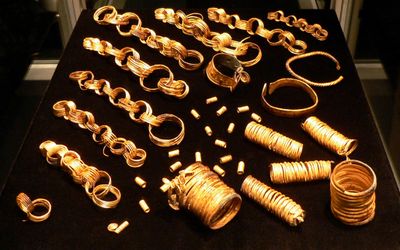
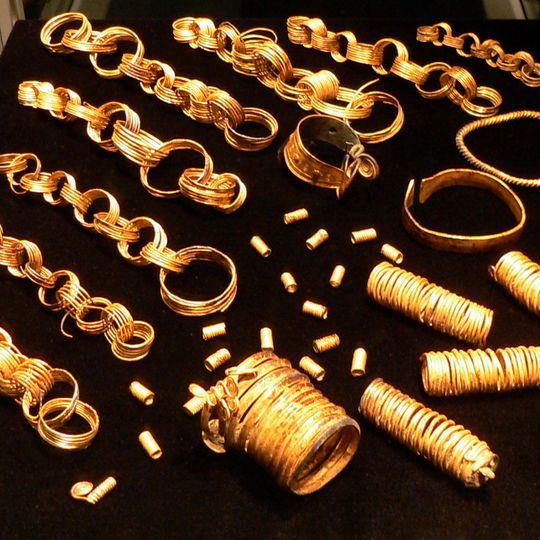
The Gesseler Goldhort is a Bronze Age archaeological find discovered in 2011 during construction work for a natural gas pipeline. The collection includes 117 gold objects such as rings, fibulae, and ornaments with a combined weight of about 1.7 kilograms.
The objects date to the 14th century BC and remained undisturbed underground for approximately 3,300 years. The discovery allowed archaeologists to better understand the state and techniques of Bronze Age craftsmanship in this region.
The objects show metalworking techniques that were common in the Bronze Age, from making spiral rings to creating fine decorative details. Visitors can see how people then worked with gold and what forms they valued.
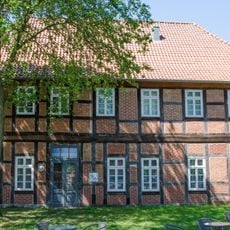
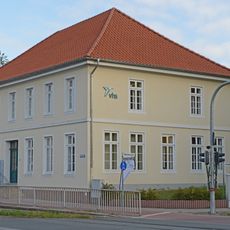
The artifacts are on display at the Forum Gesseler Goldhort Museum in Syke where you can view them with explanatory information. Guided visits happen regularly and give visitors a chance to learn more about the finds and their significance.
This is the only scientifically documented Bronze Age gold hoard in the region where the archaeological context remained completely intact. The detailed recording of all discovery circumstances makes it particularly valuable for research.
The community of curious travelers
AroundUs brings together thousands of curated places, local tips, and hidden gems, enriched daily by 90,751 contributors worldwide.