Karlstalschlucht, Protected natural area in Trippstadt, Germany
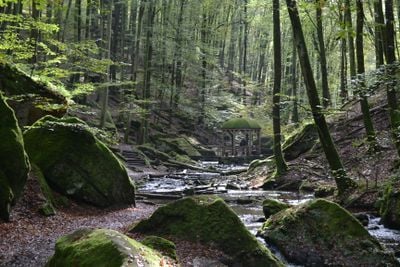
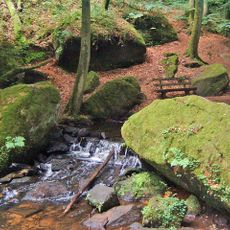
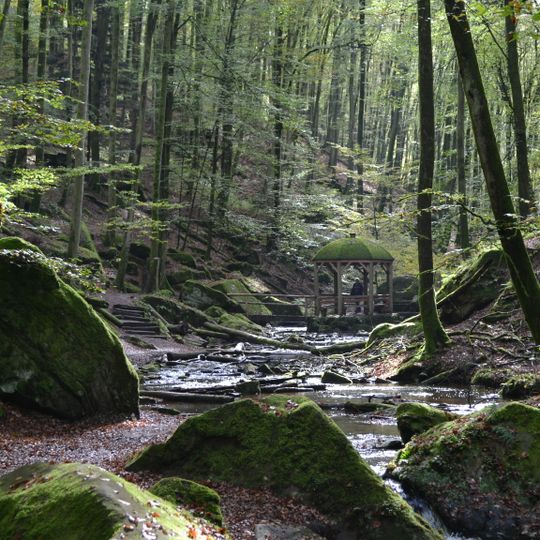
Karlstalschlucht is a protected nature reserve near Trippstadt in the Palatinate region of Germany, formed by a narrow gorge with high rock walls and a stream running along its floor. Wooden bridges cross the water at several points, linking the paths on either side of the valley through dense mixed forest.
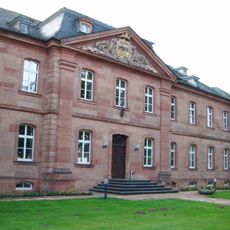
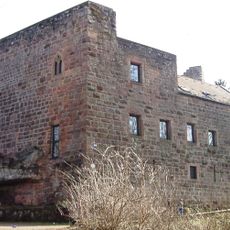
Around 1790, Friedrich Ludwig von Sckell, who later designed the English Garden in Munich, reshaped the valley into a landscape park. This work tied the gorge to the grounds of nearby Trippstadt Castle, following the European taste of that period for nature arranged to look romantic and informal.
The name of the valley traces back to the Karl family, who shaped its early use. Walking through the narrow passages today gives a strong sense of being cut off from the outside world, with rock and forest pressing in from all sides.
Sturdy footwear is a good idea since the paths run over roots and rocks that can become slippery after rain. Drier months make for more comfortable walking, as the bridges and trails stay in better condition.
The gorge is home to around 170 moss species, of which roughly 31 are considered rare in Germany. This makes the site of real interest to botanists and anyone who enjoys looking closely at unusual plant life.
The community of curious travelers
AroundUs brings together thousands of curated places, local tips, and hidden gems, enriched daily by 92,316 contributors worldwide.