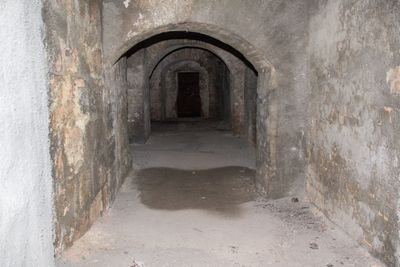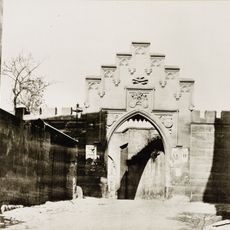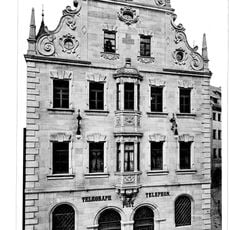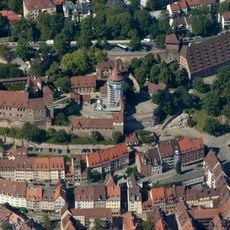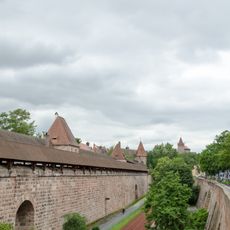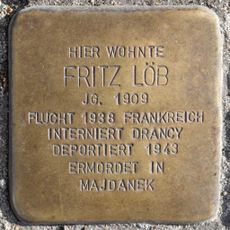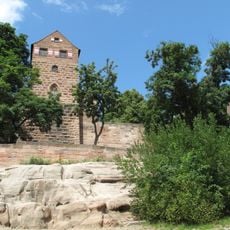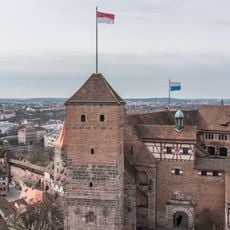
Paniersbunker, Rock cellar and bunker in Nuremberg, Germany.
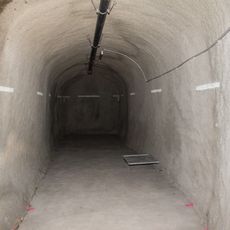
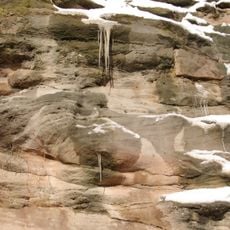
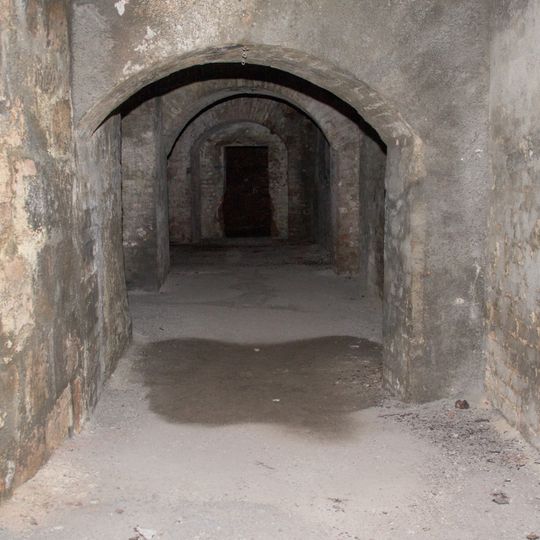
The Paniersbunker is an underground sandstone passage network extending deep beneath Paniersplatz, with multiple levels connected by natural cracks and hand-carved channels. The structure contains storage chambers and integrated systems for air circulation and water drainage that remain functional.
The cellar system began in the Middle Ages as storage for beer and ice, then was repurposed as an air raid shelter in the 1940s during World War II. Its wartime use by tens of thousands of people became a defining chapter in the site's history.
The cellar served as a refuge for artworks and religious treasures during wartime, protecting items that were central to the city's heritage. Today, visitors can see where these precious objects were sheltered within the stone passages.
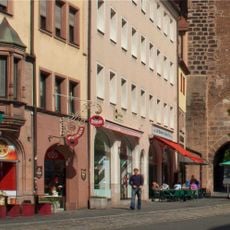
Access is through a central entrance in the old town, and sturdy shoes are essential because the passages are uneven and sometimes slippery. Jackets are advisable since temperatures remain cool throughout the year underground.
Beneath Paniersplatz are sophisticated ice domes carved across multiple levels that originally stored frozen water and regulated temperatures for beer storage. These naturally cool zones still work according to the same principles today.
The community of curious travelers
AroundUs brings together thousands of curated places, local tips, and hidden gems, enriched daily by 91,419 contributors worldwide.