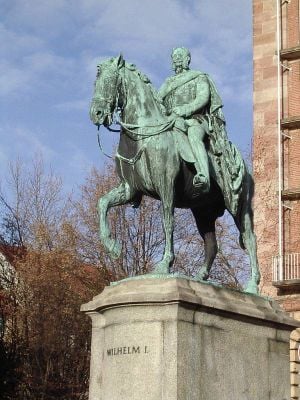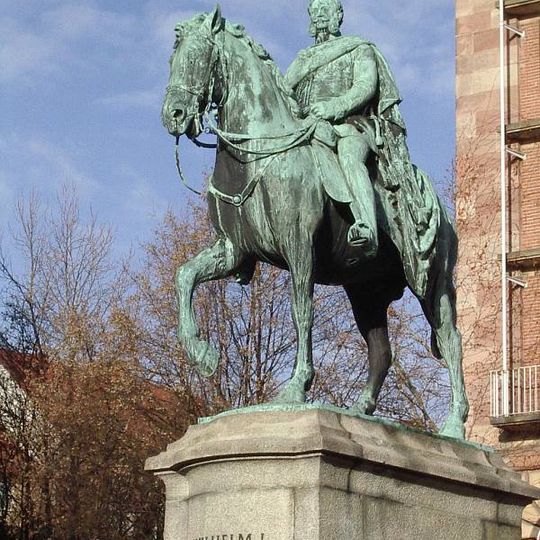
Reiterdenkmal Kaiser Wilhelm I., Equestrian monument at Egidienplatz, Nuremberg, Germany
The Reiterdenkmal Kaiser Wilhelm I. is an equestrian bronze statue depicting the first German Emperor seated on a horse, mounted on a stone base at Egidienplatz. The composition follows 19th-century monument traditions, with the rider shown in a commanding pose that faces toward the surrounding streets of the square.
Kaiser Wilhelm I. died in 1888, and within a year this monument was erected to honor his role as first emperor of the unified German Empire. It was built during a period when such statues became common across German cities as symbols of national consolidation.
This monument reflects a moment when German states united under strong leadership, and today it sits among busy streets where residents and visitors move past regularly. The space shows how urban memory works in everyday life, with the bronze figure standing as a silent presence rather than demanding attention.
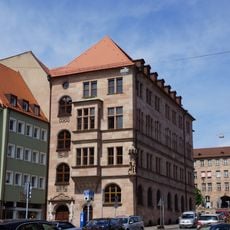
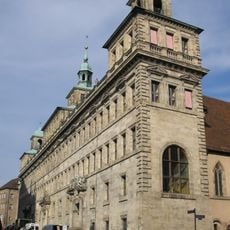
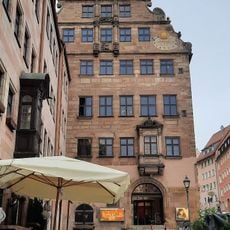
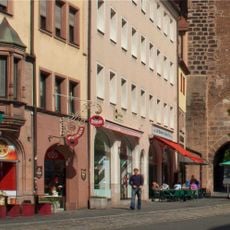
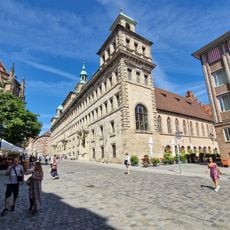
The monument stands at Egidienplatz in the city center and is easily reached on foot from the main train station. The square is surrounded by cafes and small shops, making it easy to include in a walk through the old town.
Although Wilhelm I. served as emperor for relatively few years, he was so honored that monuments like this were built within just one year of his death across German cities. This reveals how quickly and intensely political figures were celebrated during this period.
The community of curious travelers
AroundUs brings together thousands of curated places, local tips, and hidden gems, enriched daily by 91,356 contributors worldwide.