Pöppendorfer Ringwall, Archaeological fortification in Kücknitz, Germany
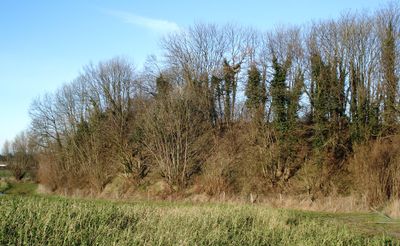
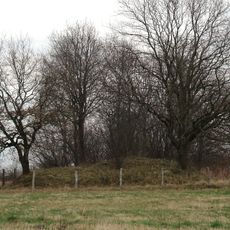
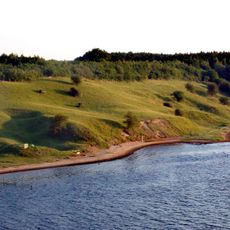
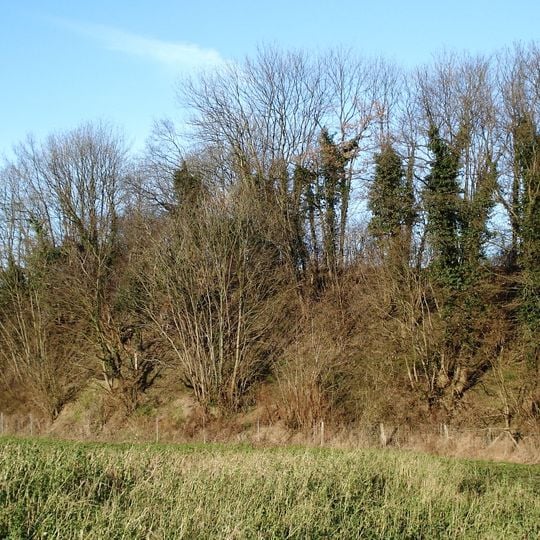
Pöppendorfer Ringwall is a circular earthwork structure in Lübeck built as a fortified settlement by Slavic peoples. The monument consists of a raised ring of compacted earth surrounding an open interior space, creating a distinct topographical feature in the landscape.
The ringwall was constructed by Slavic Wagrians during the 8th century as a defensive settlement. The site fell into disuse around 1000, marking the end of its occupation as people moved and settlement patterns changed across the region.
The ringwall serves as a place where visitors can understand how Slavic communities organized their settlements in the early medieval period. Walking around the earthwork offers insight into how people used fortified spaces to protect themselves and their belongings centuries ago.
The ringwall is situated in a woodland area north of Lübeck and forms part of an archaeological trail that can be explored on foot. The earthwork has steep slopes, so sturdy footwear and care when walking across the uneven ground are recommended for all visitors.
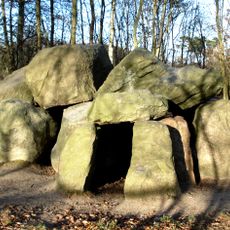
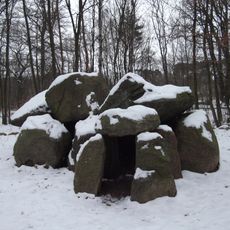
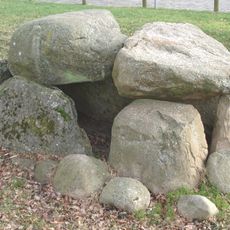
Excavations in the 1800s uncovered large boulders within and around the earthwork that may belong to an earlier megalithic construction. This discovery suggests the site was occupied and valued long before the Slavic period, revealing layers of human use spanning many generations.
The community of curious travelers
AroundUs brings together thousands of curated places, local tips, and hidden gems, enriched daily by 91,380 contributors worldwide.