Hedemunden, Roman military camp in Hann. Münden, Germany
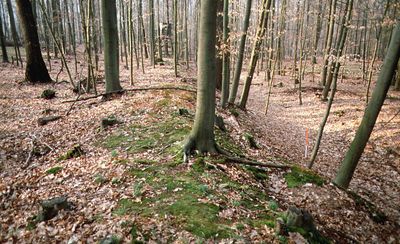
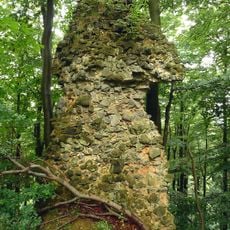
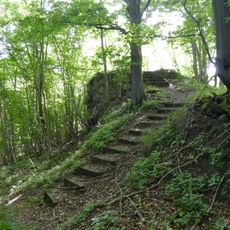
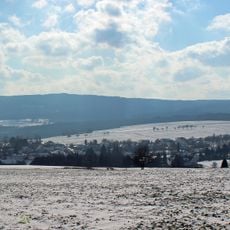
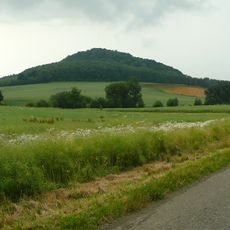
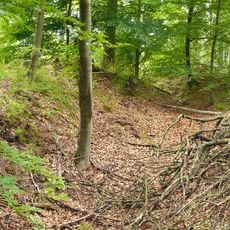
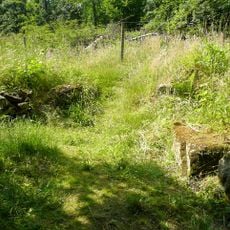
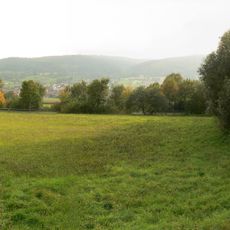
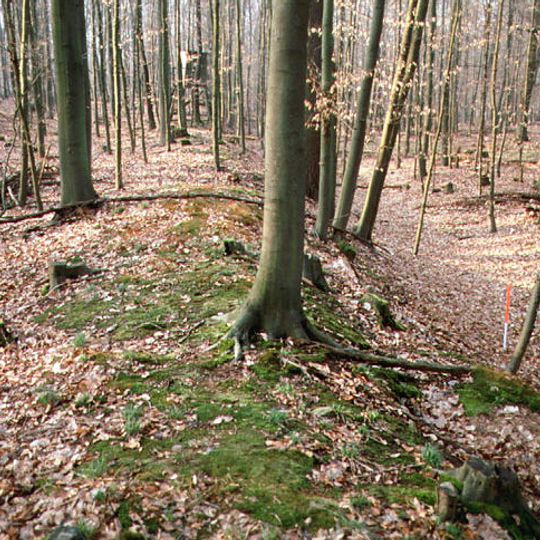
Hedemünden is a Roman military installation set on a wooded plateau with preserved ramparts and ditches that drop toward the Werra River below. The archaeological site contains two distinct camp layouts reflecting different periods of occupation and strategic approaches.
The installation was founded around 9 BC during General Drusus's campaigns as Rome extended its control into this northern territory. It represents one of Rome's most distant outposts in Germania before being abandoned as military priorities shifted elsewhere.
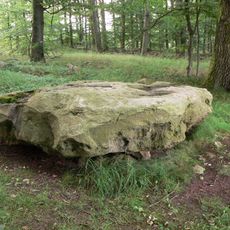
The excavations here reveal everyday objects like tools, weapons, and pottery that show how Roman soldiers lived. Visitors can see these finds displayed locally and understand the routines and daily struggles of the legionaries stationed in this remote outpost.
The site is freely accessible and features informational boards explaining its history and archaeology. Visitors should wear sturdy footwear since the terrain is uneven and partially overgrown, and allow time to explore both camp areas and the surrounding landscape.
The site contains two layered camp installations from different periods, with older structures buried beneath newer ones, and excavations have revealed multiple occupation phases. This allows specialists to track how Roman military strategy and engineering practices evolved over time.
The community of curious travelers
AroundUs brings together thousands of curated places, local tips, and hidden gems, enriched daily by 92,121 contributors worldwide.