Hann. Münden, Historical city in Lower Saxony, Germany.
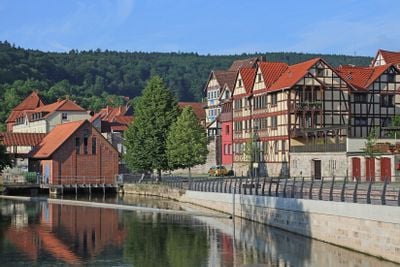
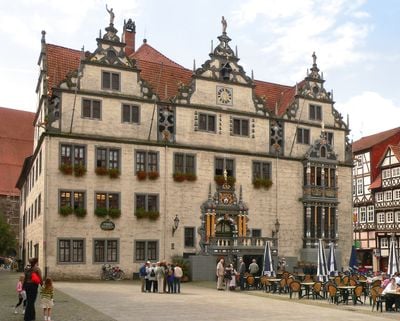
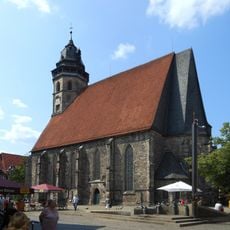
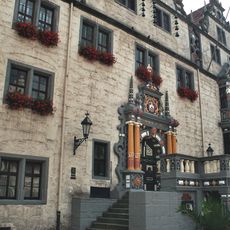
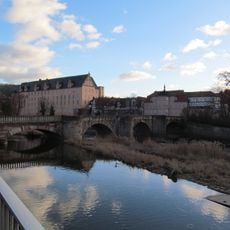
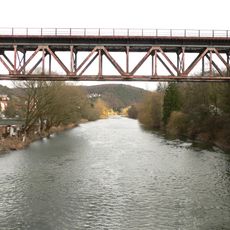
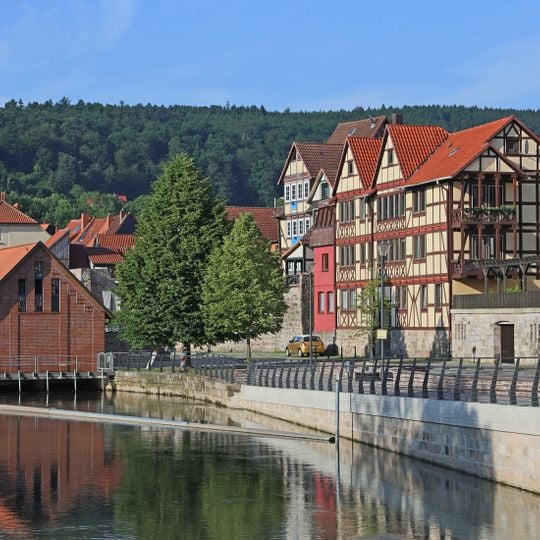
Hann. Münden is a town in the Göttingen district of Lower Saxony, positioned where the Fulda and Werra rivers join to create the Weser. The old quarter holds more than seven hundred timber-framed buildings from several centuries, grouped along the waterways and around the central market square.
The settlement appeared in 802 as Gimundi in donation records to Fulda Abbey and gained town rights in the second half of the 12th century. Over the following centuries it grew into a trading center at the junction of the rivers, benefiting from regional exchange and the movement of goods along the waterways.
The name Münden refers to the mouth where two rivers meet, and this location continues to define how residents and visitors experience the old center. Walking through the narrow lanes reveals carved beams and painted facades that show how builders and families once expressed their craft and identity in wood.
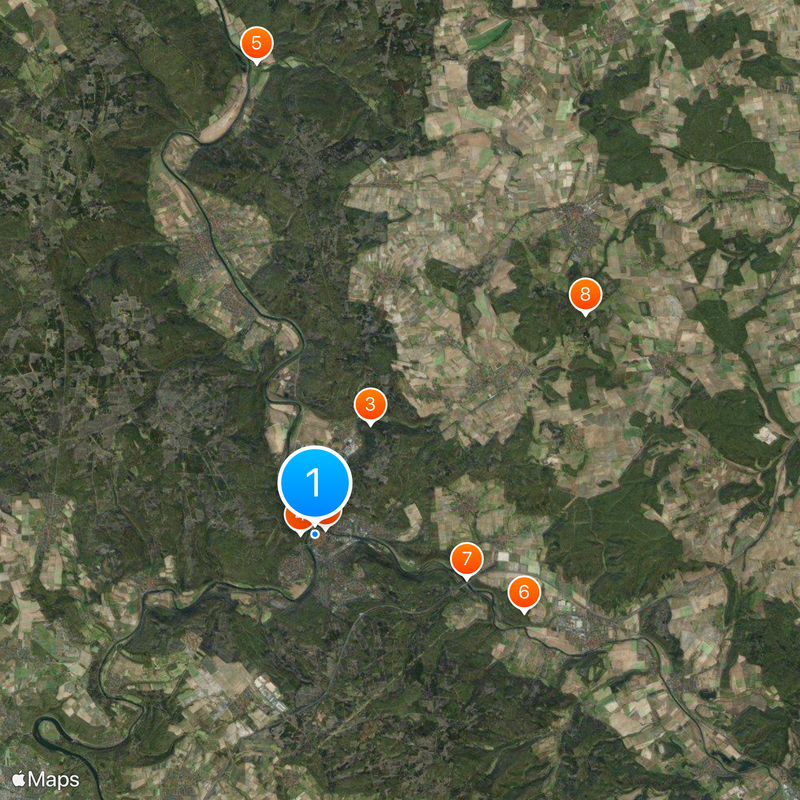
Parking areas are located near the center, with Parkplatz Blume opposite the Werrabrücke providing handy access to the main sights. Walking through the old town allows you to reach most points on foot, as the lanes and bridges form a compact layout.
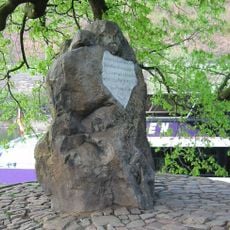
The Weserstein marks the precise spot where the Fulda and Werra flow together to form the Weser, creating a natural meeting point of three rivers. This stone attracts visitors who want to witness the geographic moment when two waterways merge into a third.
The community of curious travelers
AroundUs brings together thousands of curated places, local tips, and hidden gems, enriched daily by 91,004 contributors worldwide.