Schildhorn, Cultural heritage monument in Charlottenburg-Wilmersdorf, Berlin, Germany.
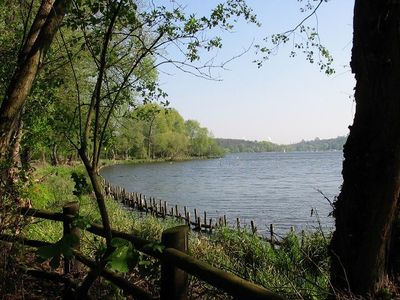
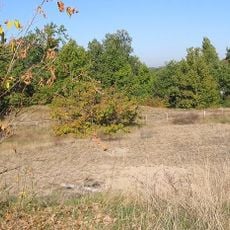
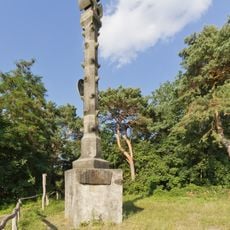
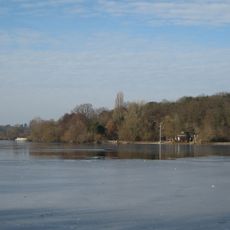
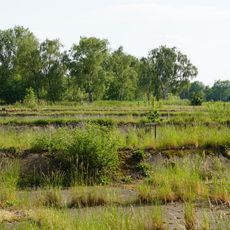
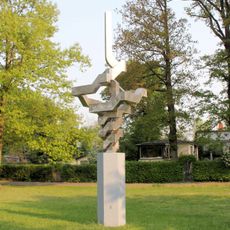
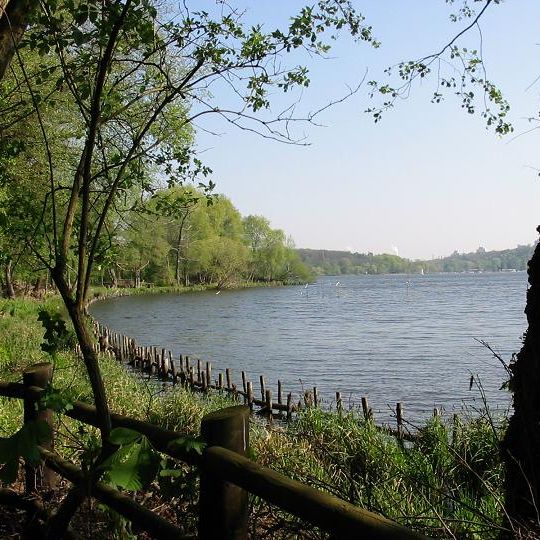
Schildhorn is a monument built on a peninsula that extends into the Havel River within a forested nature protection area. The elevated site offers views across the water and surrounding woodland landscape.
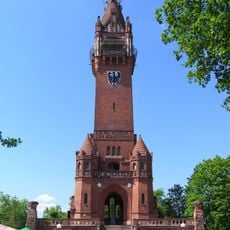
The monument was built in 1845 by Friedrich August Stüler following a design sketch from Frederick William IV. It was meant to commemorate the medieval figure Jacza von Köpenick.
The name originates from a medieval shield belonging to Jacza von Köpenick and serves as a reminder of the region's early history. When visitors walk here today, they experience a place where memory and landscape meet.
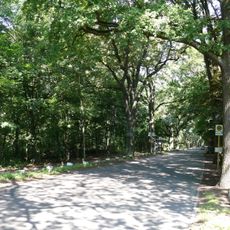
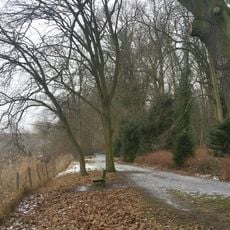
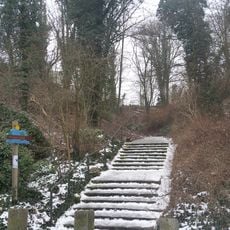
The site is reachable through the Havelwanderweg trail network, which connects various points along the river's edge. It is best visited with proper walking shoes, as the route involves woodland paths to reach the monument.
The monument's surface bears inscriptions and markings from various periods that show how visitors have interacted with it over generations. These visible traces tell a quiet story of how people have engaged with and remembered this place across time.
The community of curious travelers
AroundUs brings together thousands of curated places, local tips, and hidden gems, enriched daily by 60,000 contributors worldwide.