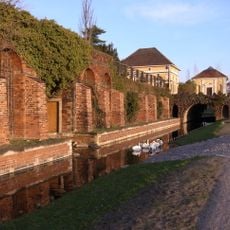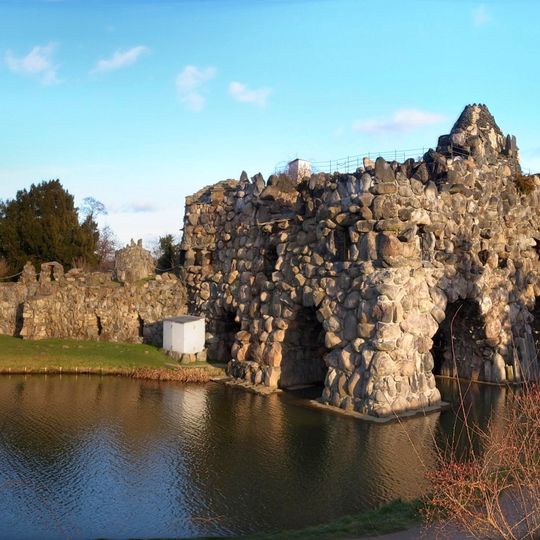
Vesuv von Wörlitz, Artificial volcano in Wörlitzer Park, Germany
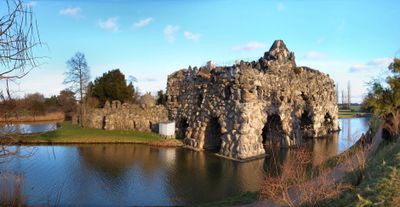
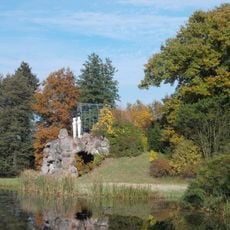
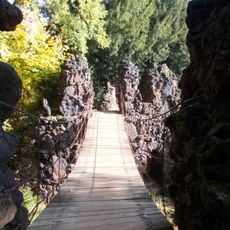
The Vesuv von Wörlitz is an artificial mountain made of dark basalt and slag stones shaped to resemble a volcanic cone within the park landscape. Underground chambers and passages inside are linked to a water system that once produced simulated eruptions.
The structure was built between 1788 and 1794 after Prince Leopold III visited Mount Vesuvius in Naples and wanted to recreate that experience in his park. Architect Friedrich Wilhelm von Erdmannsdorff designed this replica to bring volcanic phenomena within reach of park visitors.
The artificial volcano reflects how Enlightenment-era thinkers wanted to understand nature through observation and reason rather than superstition. Visitors today experience how this constructed hill was meant to spark curiosity about geological forces and natural phenomena.
Check ahead to see when guided tours or interior access are available, as the inside is not always open to visitors on your own. The artificial mountain is centrally located in the park and easy to find, but climbing to the top requires some physical effort.
Beneath the artificial cone lies a sophisticated water system that creates light and fountain displays during special events without using pyrotechnics that could damage the historic stones. This approach shows how to protect old structures while keeping the original experience alive.
The community of curious travelers
AroundUs brings together thousands of curated places, local tips, and hidden gems, enriched daily by 91,286 contributors worldwide.