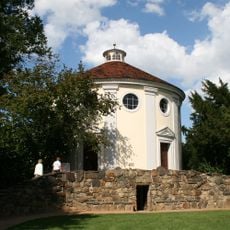
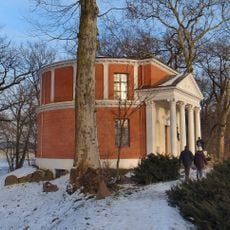
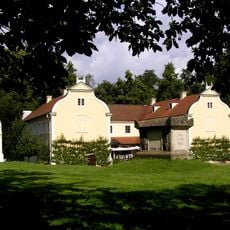
Dessau-Wörlitzer Elbauen, protected area in the European Union defined by the habitats directive in Sachsen-Anhalt, Germany
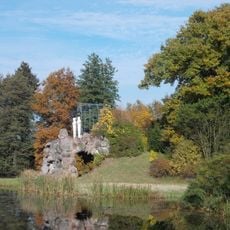
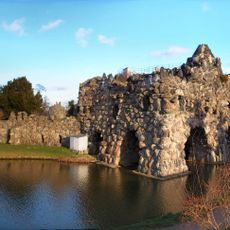
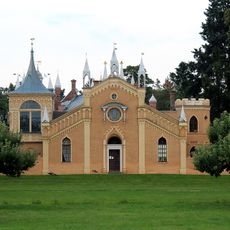
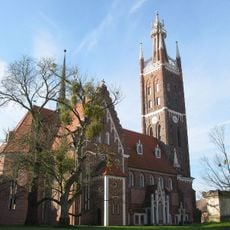
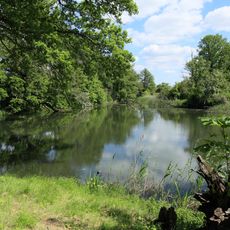
Dessau-Wörlitzer Elbauen is a 7,593-hectare FFH area stretching along the Elbe floodplain from the Crassensee, an old arm of the river southeast of Coswig, to the mouth of the Mulde between Roßlau and Dessau. It is shaped by broad meanders, oxbow waters, flood channels and hollows, with large hardwood floodplain forests of pedunculate oak, ash and field maple, softwood galleries of white willow and black poplar, and species-rich meadows. The southern part lies within the Dessau-Wörlitz Garden Kingdom.
The area was shaped over centuries by natural processes and traditional land use, keeping its winding river course and old floodplain features intact. In 2018, it received formal protection status as a Natura 2000 site to preserve the landscape and its species for future generations.
The name Elbauen refers to the floodplain landscape along the Elbe River, shaped by centuries of local life and land use. Visitors walk the paths and observe wildlife today, showing how nature protection and human presence coexist in this region.
The site is best explored on foot or by bike, with paths running through meadows, woods, and along the river. Wear sturdy shoes as wetland areas can be muddy, especially after rain.
At the start of the 20th century, this stretch of the Elbe held one of the beaver's last refuges in Germany. From here the animals recolonised large parts of the Elbe and neighbouring rivers. The floodplain is also home to six bat species, among them the barbastelle and the greater mouse-eared bat.
The community of curious travelers
AroundUs brings together thousands of curated places, local tips, and hidden gems, enriched daily by 92,716 contributors worldwide.