Weilerburg, Castle ruin in Rottenburg am Neckar, Germany.
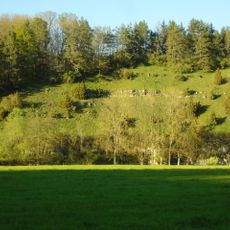
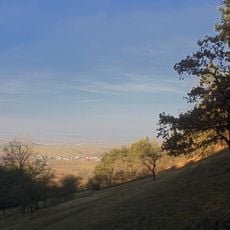
Weilerburg is the stone remains of a medieval castle standing atop a hill above Rottenburg am Neckar, featuring walls and foundations from that era. The ruins display typical characteristics of medieval German military architecture with their strategic positioning on elevated ground.
The castle was first documented in 1225, when Albertus, dominus de Rotinburc, sealed a charter settling a dispute between Kreuzlingen Abbey and a farm heir in the Neckargau. By the 13th century it belonged to the Counts of Hohenberg; Gertrud von Hohenberg, mother of the Habsburg dynasty, is said to have spent her youth here. In 1381 the Hohenbergs sold it to the Habsburgs, and in 1624 it was demolished down to its foundations, its stones used to build the Capuchin monastery in Ehingen.
The castle's name lives on in its first known lord: a 1225 charter records "Albertus, dominus de Rotinburc" settling a dispute between Kreuzlingen Abbey and a farm heir in the Neckargau. Tradition also links the Hohenberg family to the site: Gertrud von Hohenberg, ancestress of the Habsburgs, is said to have spent her youth here, and her brother, the minnesinger Count Albrecht II, is called Count of Rotenburg in some documents.
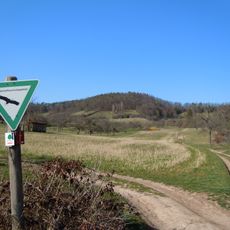
The ruins can be reached via marked hiking trails starting from Rottenburg am Neckar that lead up the hillside. Informational panels along the way explain the site's history and structure for visitors exploring the area.
The 24-metre viewing tower and castle gate were rebuilt in 1873/74 by the Sülchgau antiquities society as a "victory and minstrel monument". The flag visible from afar signals that the drinks counter run by the German Alpine Club, Rottenburg section, is open.
The community of curious travelers
AroundUs brings together thousands of curated places, local tips, and hidden gems, enriched daily by 94,532 contributors worldwide.