Kostrzyn nad Odrą Fortress, Fortress in Kostrzyn nad Odrą, Lubusz Voivodeship, Poland
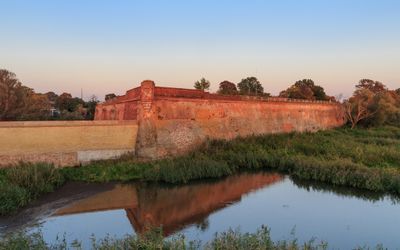
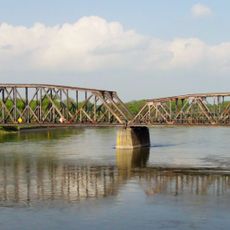
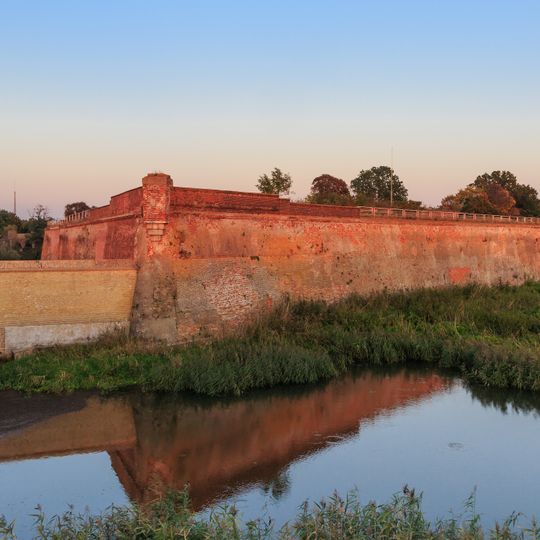
Kostrzyn nad Odrą Fortress is a bastion fortification begun in 1537 where the Warthe meets the Oder. Its brick walls were rebuilt in masonry from 1553 to 1568 under architects Francesco Chiaramella and Rochus zu Lynar, producing bastions named König, Königin, Kronprinz, Kronprinzessin and Philipp. The Berlin Gate and Kietzer Gate served as entrances.
Johann von Brandenburg-Küstrin made Küstrin his residence in 1535 and began the fortress; earth walls built from 1537 were replaced in masonry between 1553 and 1568 under builders Francesco Chiaramella and Rochus zu Lynar. Swedish occupation from 1631 brought a bridgehead, hornwork and Bastion Brandenburg. The Versailles Treaty ended fortress status in 1920, and fighting in March 1945 destroyed about 90% of the town.
The fortress was begun under Johann von Brandenburg-Küstrin, who made Küstrin his residence in 1535; the bastions König, Königin, Kronprinz, Kronprinzessin and Philipp and the Berlin and Zorndorfer gates date from the 16th-century works. Today the Bastion Filip, the Brama Chyżańska and the Brama Berlińska on the Polish side are the parts opened to visitors.
Most of the former fortress lies on the Polish side of the border, and only Fort Gorgast in Germany, plus Bastion Philipp, the Kietzer Gate and the Berlin Gate in Kostrzyn, are opened for visitors. The other outer works stand empty and decay, so keep to marked ground and expect rubble and overgrown stretches.
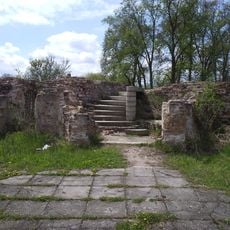
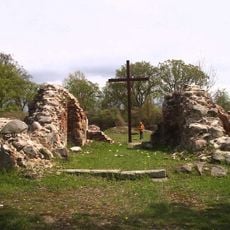
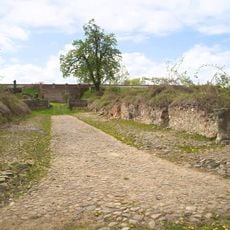
Within the fortress walls, the old town center survives only as scattered foundation stones and cellars, which is why locals sometimes call it the Pompeii of the Oder. These remains reveal how densely populated the settlement once was before its destruction.
The community of curious travelers
AroundUs brings together thousands of curated places, local tips, and hidden gems, enriched daily by 93,565 contributors worldwide.