Alte Maxquelle, Spring and water well in Bad Dürkheim, Germany
The Alte Maxquelle is a mineral spring in Bad Dürkheim that flows from considerable depth. The water contains a notably high concentration of arsenic, which made it the subject of intensive scientific study compared to other springs in Germany.
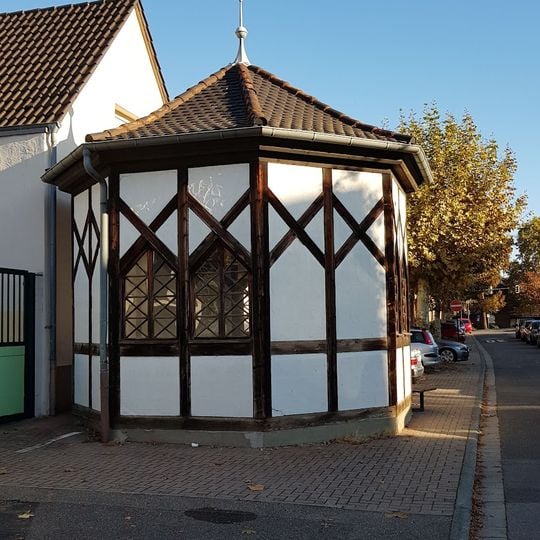
The spring was developed between 1856 and 1859, with a wellhouse built in honor of Bavarian King Maximilian II. Researchers such as Robert Wilhelm Bunsen later used the water's minerals for significant chemical discoveries.
The spring's name honours King Maximilian II of Bavaria, who reigned when the well was sunk. Its water was bottled and shipped as a healing drink before World War I, prescribed for anaemia, leukaemia, rickets and skin conditions, and it remained Bad Dürkheim's main spa remedy until the mid-1950s.
The site is viewable from outside, but the water has not been dispensed since 2013 due to the high arsenic concentration posing a health risk. Visitors can observe the historical facility, but should not touch or drink the water under any circumstances.
The spring contains the second-highest arsenic concentration found in water sources worldwide. This exceptional chemical composition made the water particularly valuable to scientists seeking to identify new chemical elements.
The community of curious travelers
AroundUs brings together thousands of curated places, local tips, and hidden gems, enriched daily by 93,583 contributors worldwide.