Irpfelhöhle, Karst cave in Giengen an der Brenz, Germany
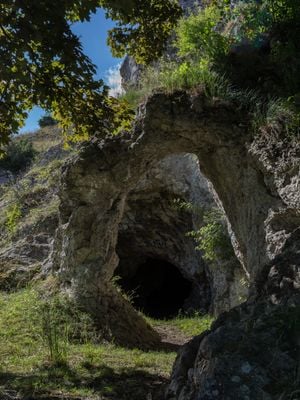
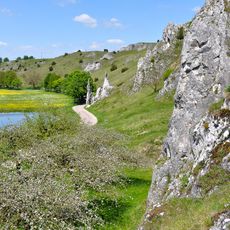
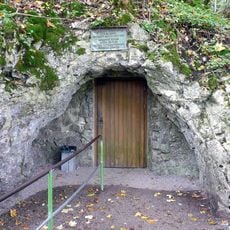
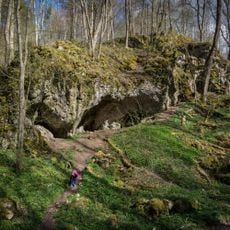
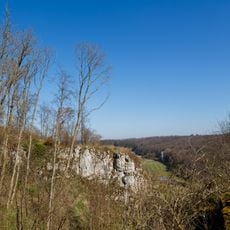
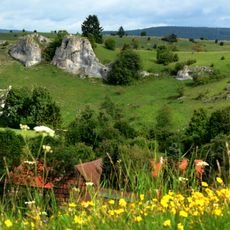
Irpfelhöhle is a natural cave formed in white Jurassic limestone that reaches about 54 meters into the hillside with multiple rooms and passages. It sits on the southern slope of Irpfelberg at roughly 480 meters elevation and retains its unmodified underground layout.
Forest manager Hermann Emil Sihler discovered the cave in 1892, after which archaeological excavations began. These digs uncovered tools from the Middle Paleolithic and numerous remains of prehistoric animals.
The cave is tied to a local legend from the 1500s about a goose that supposedly entered at Irpfelberg and emerged eight kilometers away at Nattheim church. This story reflects how people have long wondered about the hidden pathways beneath the hillside.
The cave has no artificial lighting and remains in its natural state, so visitors should bring a flashlight or headlamp for safe exploring. Walking through requires basic precautions and proper gear for moving through underground passages.
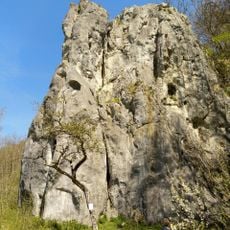
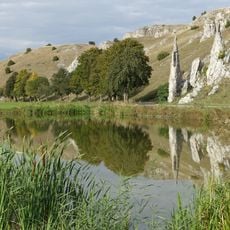
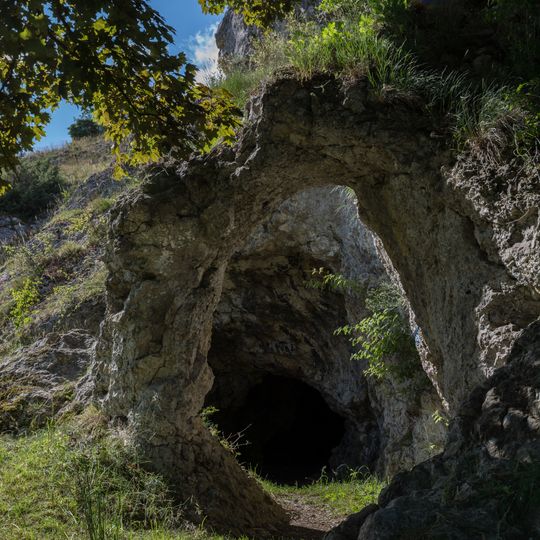
A freestanding rock archway frames the entrance, representing the final remnant of an ancient cavern room that eroded away over time. This stone formation shows how water and natural processes continuously reshape the landscape.
The community of curious travelers
AroundUs brings together thousands of curated places, local tips, and hidden gems, enriched daily by 91,285 contributors worldwide.