Charlottenhöhle, Limestone show cave in Giengen an der Brenz, Germany
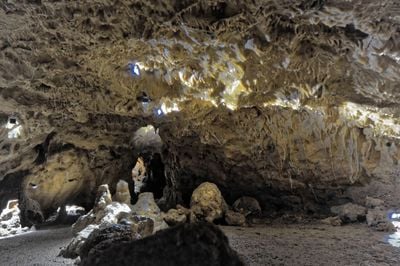
Charlottenhöhle is a limestone cave near Giengen an der Brenz that extends roughly 600 meters into the rock with a stable temperature year-round. Inside, visitors see formations created by water seeping through stone over millions of years.
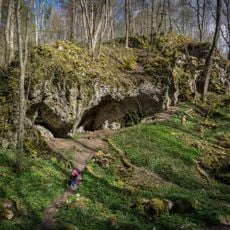
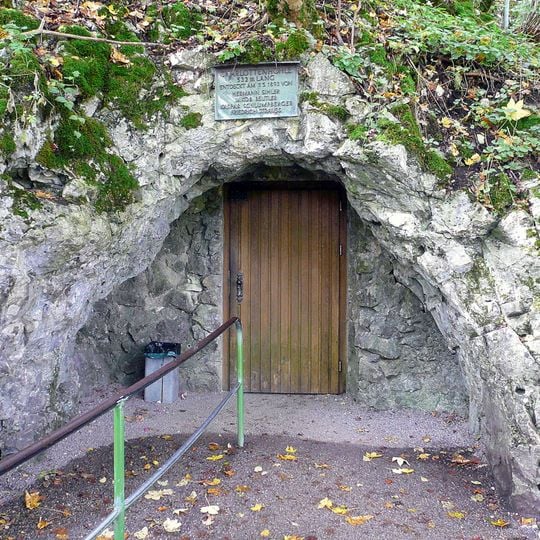
The cave was first recorded in 1591 as the Hundsloch, a three-metre-wide sinkhole in the Giengen forestry map by Philipp Renlin. In spring 1893, forester Hermann Emil Sihler and three carpenters from Hürben entered with a 15-metre rope ladder; the cave was opened to the public on 17 September 1893, and Queen Charlotte of Württemberg visited on 23 September.
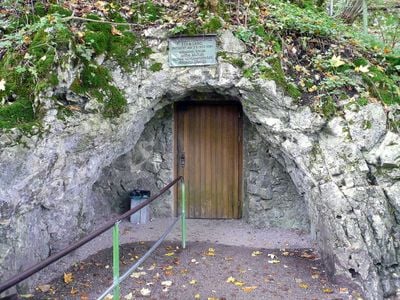
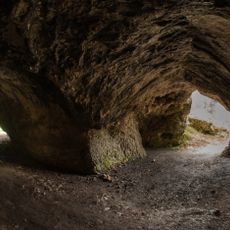
The cave is named after Queen Charlotte of Württemberg, who visited on 23 September 1893, six days after the official opening. The entrance was long known as Hundsloch, because villagers had thrown dead livestock into the shaft since the Middle Ages. Today the HöhlenSchauLand museum and a Zeitreisepfad path stand by the entrance.
Access to the cave is only by guided tour, with a guide leading visitors through the passages. Wear comfortable shoes and bring a jacket, as the interior stays cool throughout the year.
Fossils discovered inside the cave tell the story of animals that once lived in this region long ago. These remains show how the environment and life changed dramatically over vast stretches of time.
The community of curious travelers
AroundUs brings together thousands of curated places, local tips, and hidden gems, enriched daily by 94,227 contributors worldwide.