Hohlenstein-Stadel, Prehistoric cave in the Lone valley, Germany
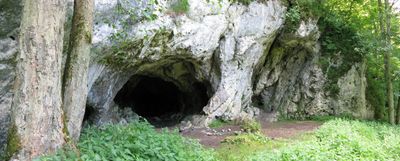
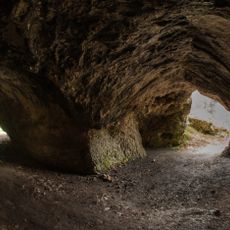
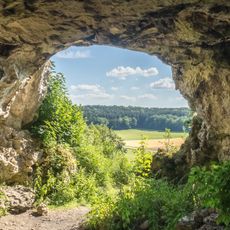
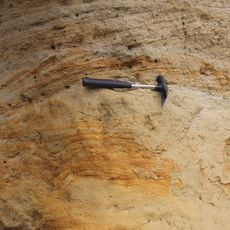
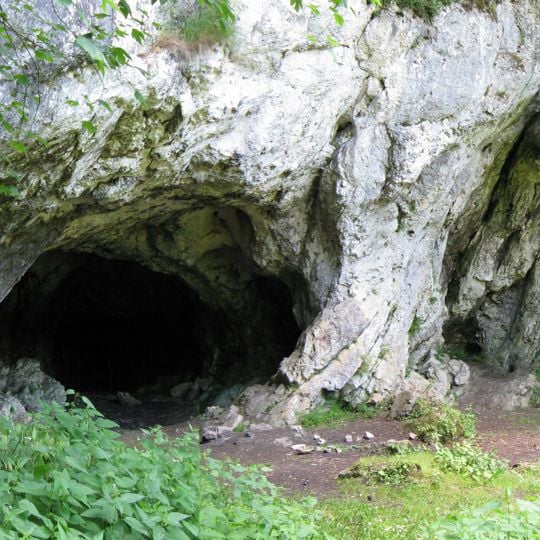
Hohlenstein-Stadel is a prehistoric cave in the Lone valley with two main caves, the larger extending deep into limestone rock formations. The cave chambers display characteristic geological formations with multiple layers and provided shelter and space for early human inhabitants in ancient times.
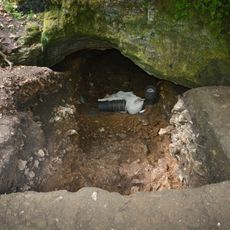
The cave was archaeologically examined in 1939, revealing mammoth ivory fragments that were later reconstructed into a renowned animal figure. These findings date to approximately 40,000 years ago and demonstrate the site's importance in early human settlement of Europe.
The cave served as a gathering place where humans and animals coexisted over extended periods, as evidenced by the extensive remains left behind. Today, the findings remind visitors of how people inhabited this region in prehistoric times and which animal species they encountered here.
The entrance is accessible to visitors but remains closed during certain protection periods for bats and birds. It is recommended to inquire in advance and book a guided tour to fully understand the site's history and significance.
The cave contained 88 cave bear skulls, an extraordinary discovery showing how intensively animals used this site over extended periods. This large quantity of skeletal remains provides insight into the wildlife and living conditions of the Ice Age.
The community of curious travelers
AroundUs brings together thousands of curated places, local tips, and hidden gems, enriched daily by 91,104 contributors worldwide.