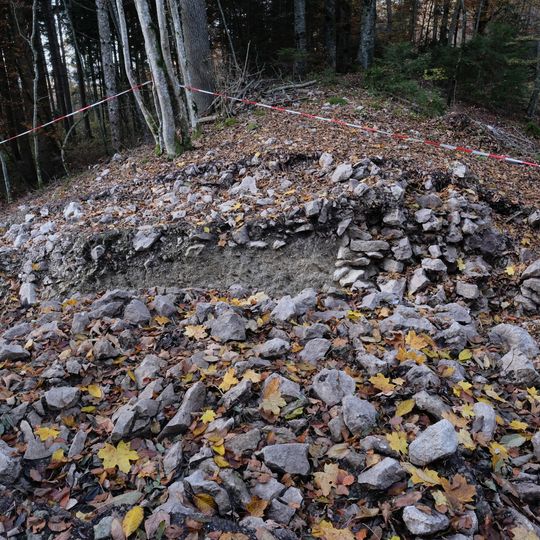
Große Heuneburg, Iron Age archaeological site in Zwiefalten, Germany.
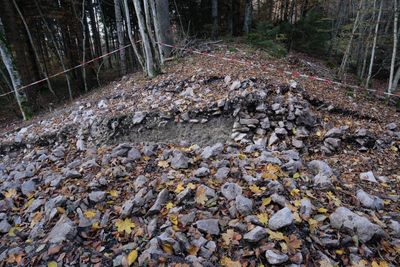
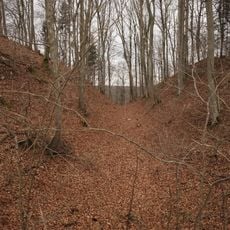
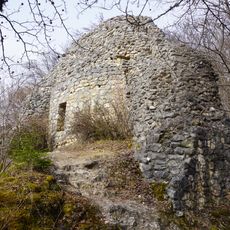
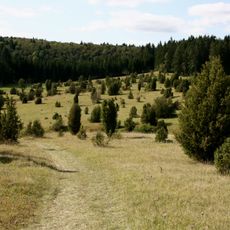
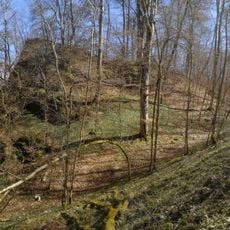
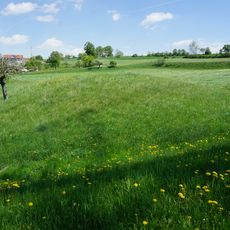
Große Heuneburg is a fortified Celtic settlement perched on a mountain spur overlooking the Danube River valley. The site displays the footprints of ancient houses, protective earthwork walls and ditches that once defended the community.
The settlement began during the Middle Bronze Age but experienced significant growth around 700 BC when it became a regional power centre. This period was marked by connections to southern European cultures that shaped the site's development.
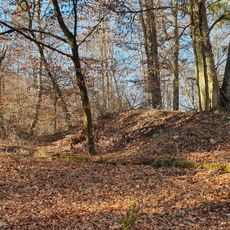
The burial mounds scattered across the site reveal how Celtic communities honoured their dead and what objects they valued enough to place in graves. These remains show clear differences in status between families living here.
The site is open for walking and offers clear views of the reconstructed house foundations and defensive structures. A nearby museum displays artifacts that help visitors understand what daily life was like for those who lived here.
The fortification system displays architectural features otherwise found only around the Mediterranean, revealing early trade links between Celtic leaders and southern peoples. This unusual blend of building styles made the settlement stand out in its era.
The community of curious travelers
AroundUs brings together thousands of curated places, local tips, and hidden gems, enriched daily by 91,807 contributors worldwide.