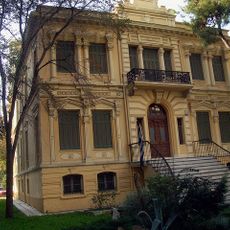
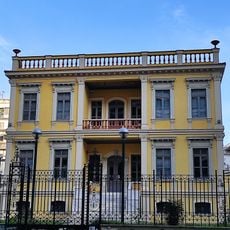
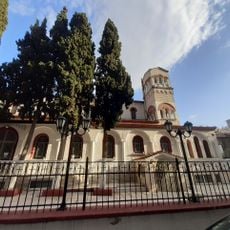
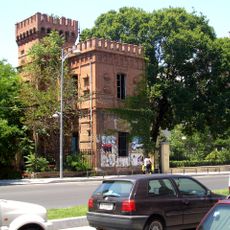
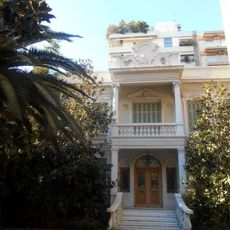
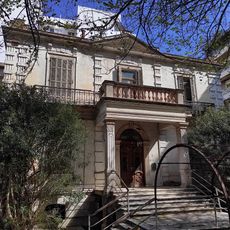
New Mosque, Historic mosque in Thessaloniki, Greece
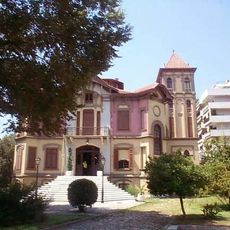
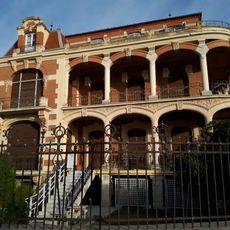
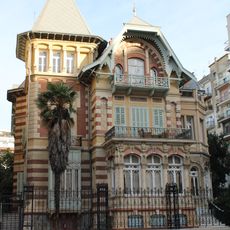
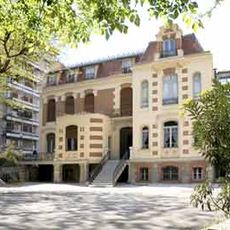
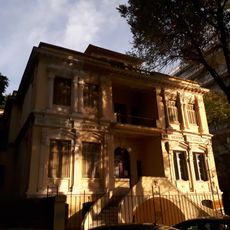
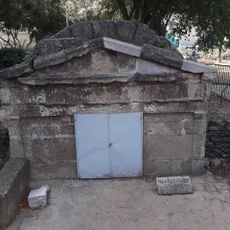
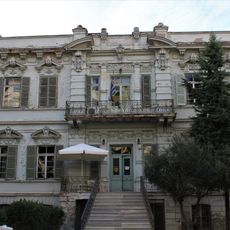
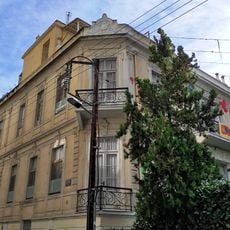
The New Mosque is a rectangular building of 23.3 by 14.9 metres, built in 1902 by Vitaliano Poselli. A hemispherical dome covers the square prayer hall of 13.7 metres per side, which holds the mihrab; a lower wing has a four-pitched roof. The minaret and courtyard fountain were demolished in 1938, and Roman and early Christian sarcophagi and stelae lie in the courtyard.
Built in 1902 by Italian architect Vitaliano Poselli for Thessaloniki's Dönmeh community, crypto-Jews converted to Islam, who numbered around 10,000–15,000. It was the last mosque raised in the city under Ottoman rule. After the 1923 population exchange the Dönmeh left, the building sheltered Greek refugees from Asia Minor, then housed the Archaeological Museum from 1925 to 1962.
The name reflects when it was built, and you can see how the design blends Ottoman and European architectural styles throughout the interior. The mix is visible in the decorative details and the way the space is arranged.
It sits in central Thessaloniki and is within walking distance of other landmarks in the area. Visitors are advised to dress respectfully and confirm opening hours before arriving.
The mihrab niche faces Mecca, so the whole building sits at an angle to the street grid and to its own plot. Look for the marble sundial on the south outer wall, its instructions carved in Ottoman Turkish, and the Ottoman-Italian inscription naming Vitaliano Poselli left of the main entrance.
The community of curious travelers
AroundUs brings together thousands of curated places, local tips, and hidden gems, enriched daily by 94,571 contributors worldwide.