Museum of Byzantine Culture, History museum in central Thessaloniki, Greece
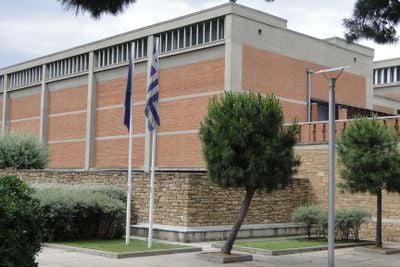
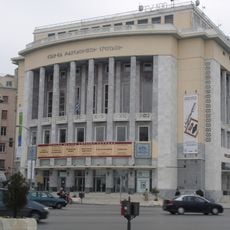
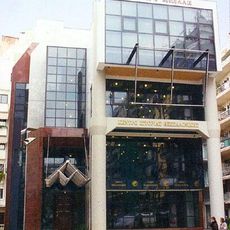
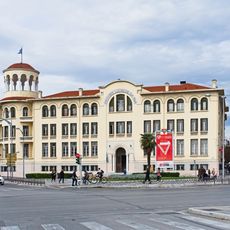
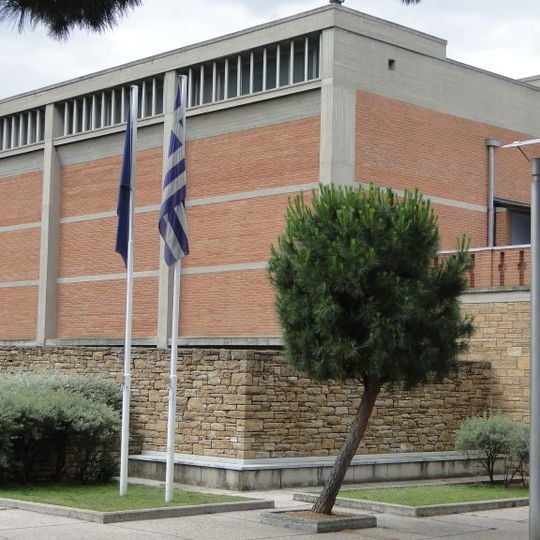
The Museum of Byzantine Culture is a three-story building with eleven thematic galleries. They display mosaics, religious artworks, ancient textiles, wall paintings, and everyday objects from different Byzantine periods.
The museum was founded in 1994 and received important Byzantine artworks that returned from Athens, where they had been moved in 1916. This return was important for Thessaloniki to gather its historical treasures again.
The museum publishes a periodical from 1994, the first of its kind by a Greek state museum. Its eleven rooms opened gradually until 2004, and in 2005 it received the Council of Europe Museum Prize. The Dori Papastratos Collection holds over 200 prints from the 18th and 19th centuries, along with wooden and copper printing plates.
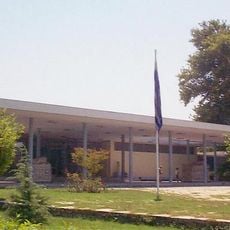
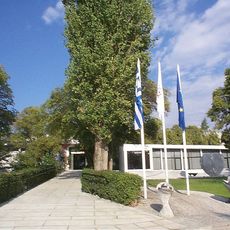
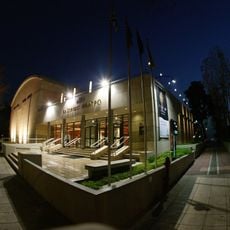
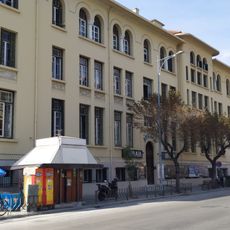
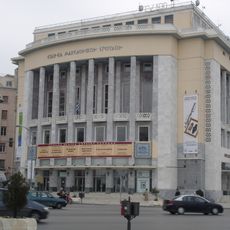
The museum stands on Leoforos Stratou, opposite the Pedion tou Areos park, and is a regional unit of the Greek Ministry of Culture. Its eleven rooms opened in stages up to 2004, so allow time to move from the early Christian galleries to Room 11 on archaeology's path from excavation to display. The building also holds the Kyriakos Krokos temporary exhibition wing and the Melina Mercouri and Stefanos Dragoumis amphitheatres.
The museum has published its own periodical since 1994, the first of its kind created by a Greek state museum. In 2005 it received the Council of Europe Museum Prize, and the building by Kyriakos Krokos is counted among Greece's best recent public architecture.
The community of curious travelers
AroundUs brings together thousands of curated places, local tips, and hidden gems, enriched daily by 94,353 contributors worldwide.