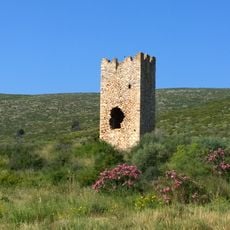
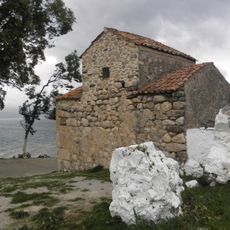
Rhamnous, Archaeological site in Attica, Greece
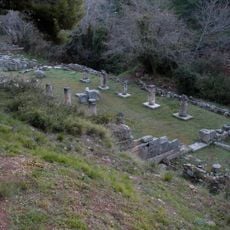
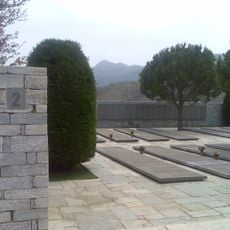
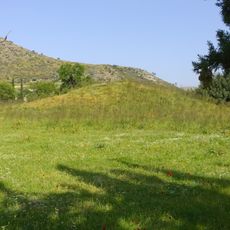
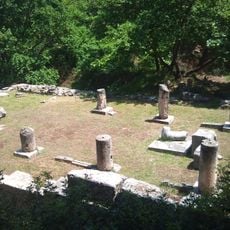
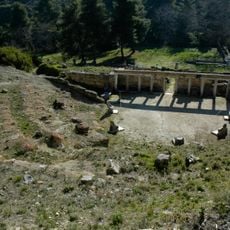
Rhamnous is an ancient Attic deme on a 28 m hill between two silted harbours on Attica's east coast. Its walls of local Agia Marina marble, 2.3–2.7 m thick, enclose a theatre, gymnasium and sanctuary of Dionysos; the main gate survives on the southern ridge. The sanctuary of Nemesis lies 600 m south on a white marble platform.
Settlement began in the 6th century BCE as a small deme and gained importance during Persian threats, when a garrison was established here to guard the strait of Euboea. After the classical wars, the place developed into a religious center with expansion of the sanctuaries continuing into the 4th century BCE.
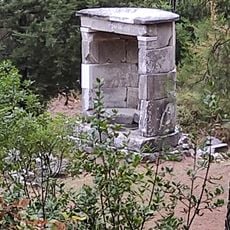
The name Rhamnous comes from the prickly buckthorn shrub (rhamnos) that still grows on the site. The deme's people were called Rhamnousioi, and the goddess Nemesis was worshipped here as Rhamnousia. Two marble seats on the porch of the small temple carry 4th-century BC inscriptions naming Themis and Nemesis.
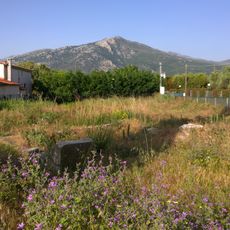
Access is through a paved path from a small parking area below the ruins, with sturdy footwear recommended due to uneven trails between the ruin fields. A walk through both levels takes about one hour and offers views of the strait and nearby mountains.
The small temple's cult statue of Nemesis is attributed to Agorakritos of Paros, who is said to have carved it from a block of Parian marble the Persians brought to make a victory monument. The head and other fragments are now in the British Museum, not the National Archaeological Museum of Athens.
The community of curious travelers
AroundUs brings together thousands of curated places, local tips, and hidden gems, enriched daily by 94,481 contributors worldwide.