Thrace, Historical region in southeastern Balkans, Greece
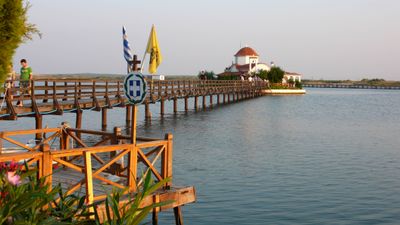
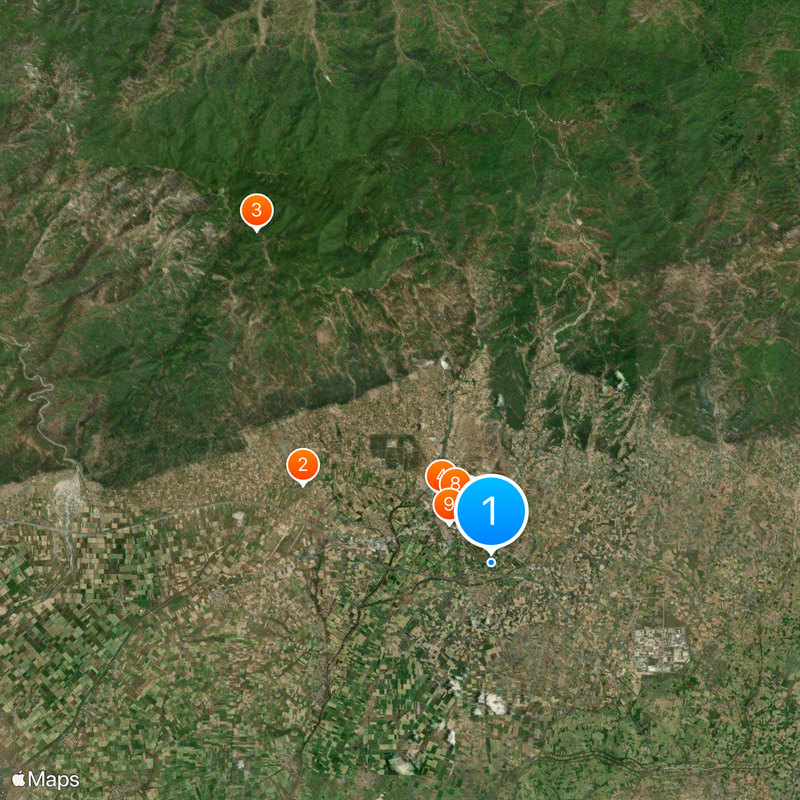
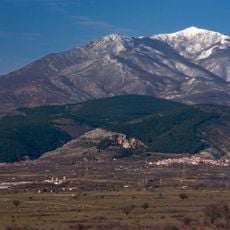
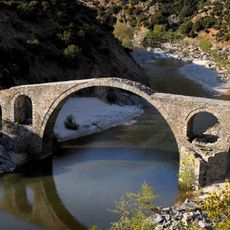
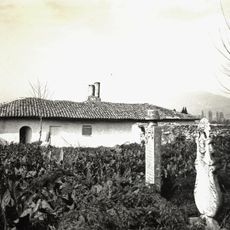
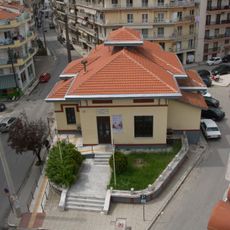
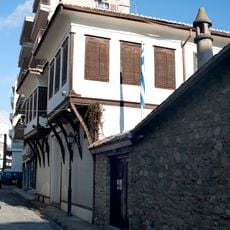
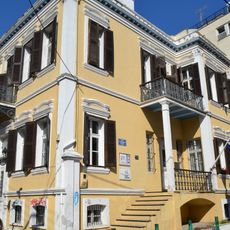
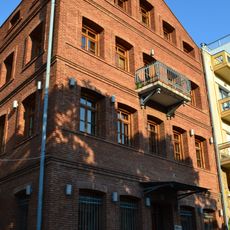
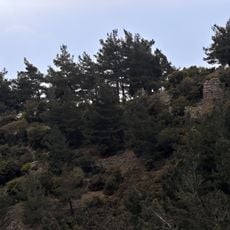
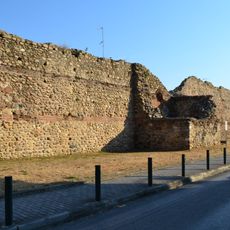
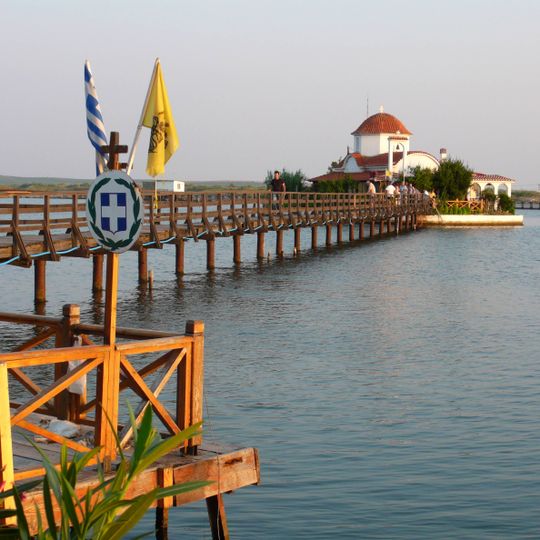
Thrace is a historical region in southeastern Balkans in Xanthi, Greece, stretching from the Rhodope Mountains in the north to the Aegean Sea in the south, with the Nestos River forming the western boundary. The terrain shifts from forested mountain slopes to wide river plains, where waterways wind through before reaching the coast.
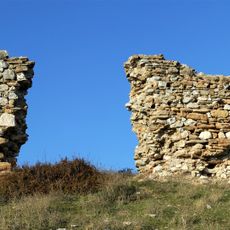
The area shifted from Persian control under Darius in the 6th century BC to Macedonian rule under Alexander. Rome incorporated it as a province in 46 AD, until it became part of Greece after World War I.
The name comes from Thrax, a mythological hero whom ancient Greeks honored as the son of Ares. Today traditional settlement patterns and farming practices shape the plains, with villages often arranged around old trade routes and water sources.
The best exploration happens in spring and autumn, when moderate weather allows for mountain walks and visits to coastal areas. Local roads connect smaller towns, and orientation becomes easier when using river valleys and main highways as reference points.
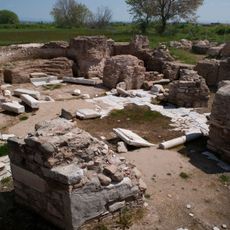
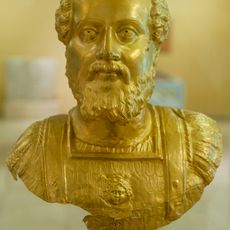
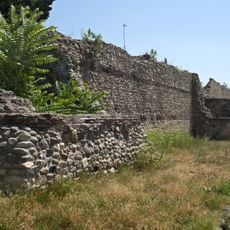
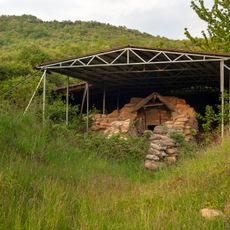
Excavations have uncovered tombs with golden masks and elaborate burial goods that reveal beliefs about an afterlife. These findings document complex social hierarchies, where the furnishings of graves reflected the status of the deceased.
The community of curious travelers
AroundUs brings together thousands of curated places, local tips, and hidden gems, enriched daily by 90,935 contributors worldwide.