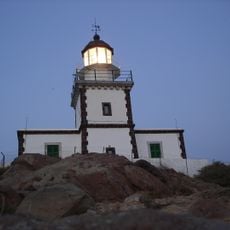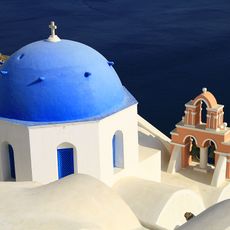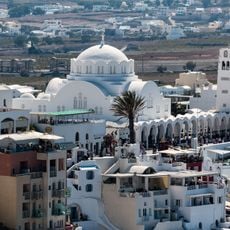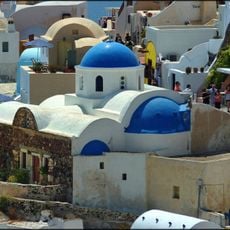
Santorini caldera, Volcanic caldera in Thira Municipality, Greece
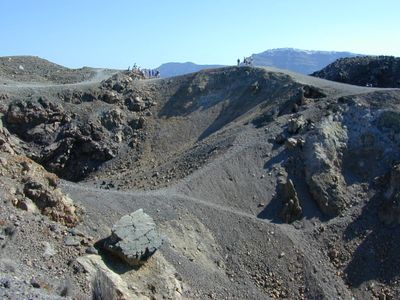
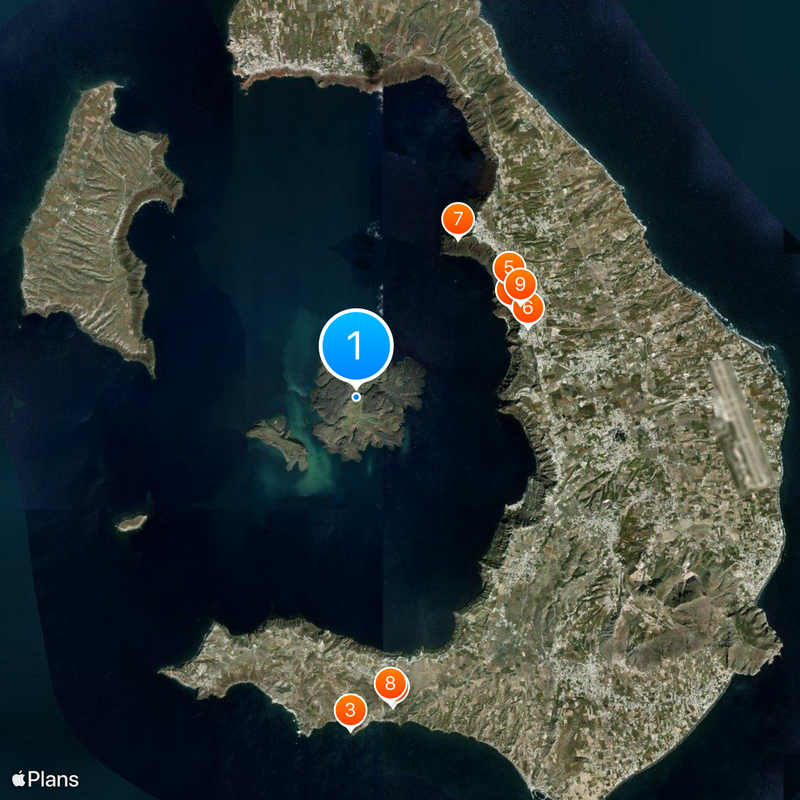
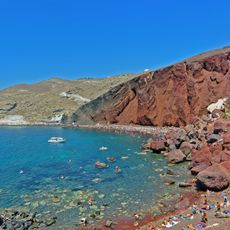
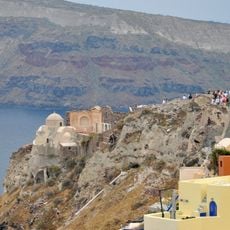
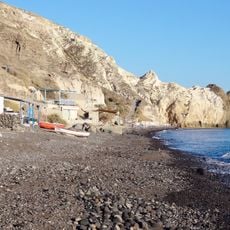
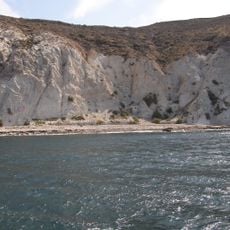
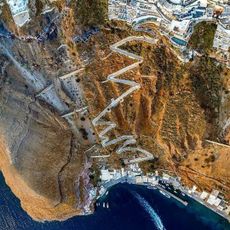
The Santorini caldera is a mostly submerged volcanic crater about 12 by 7 km, with steep cliffs up to 300 m high on three sides and a maximum depth of 385 m. The circular island group includes Santorini, Therasia and Aspronisi on the rim, and the lava-built Kameni islands at the center.
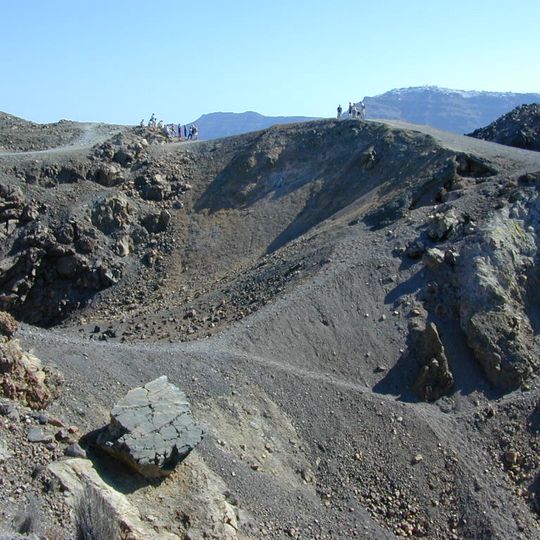
The explosion in the second millennium BCE caused the island center to collapse into the sea, triggering waves across the eastern Mediterranean. Later eruptions created the central islands in the 16th and 20th centuries CE, with the last major activity occurring in the 1950s.
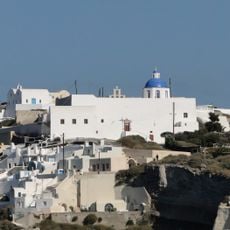
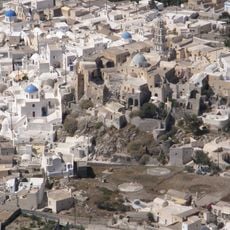
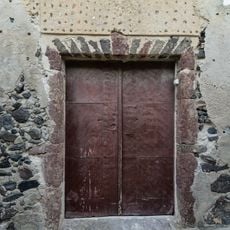
The settlements along the rim use the steep slopes for cave houses carved into volcanic rock, their thick walls naturally cool in summer heat. Local vintners grow vines directly in black lava soil, shaping the grapes into low basket forms to shield them from the winds.
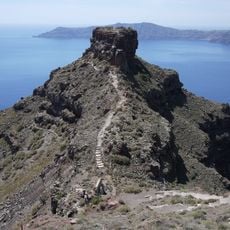
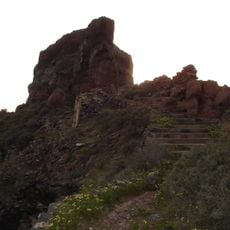
Walking paths along the rim connect the villages and offer open views over the water, with early mornings or late afternoons less crowded. Steps and uneven cobblestones require sturdy footwear, while direct sun in summer calls for shade and protection.
The seawater inside the caldera is far deeper than the surrounding Aegean and maintains a different temperature through volcanic vents on the floor. Some spots show rising bubbles and discolored water where hot mineral water emerges from the seafloor.
The community of curious travelers
AroundUs brings together thousands of curated places, local tips, and hidden gems, enriched daily by 92,693 contributors worldwide.