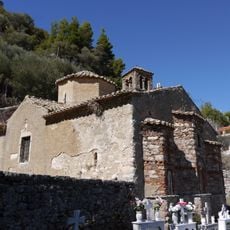
Karytaina, village in Greece
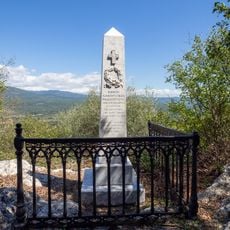
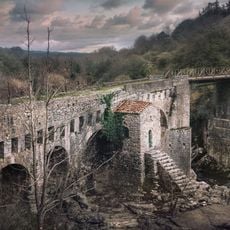
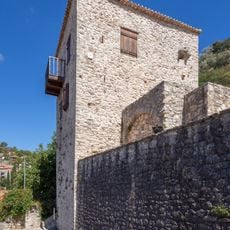
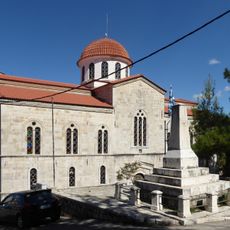
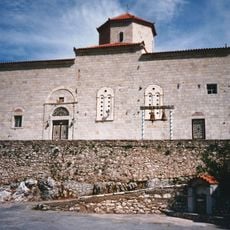
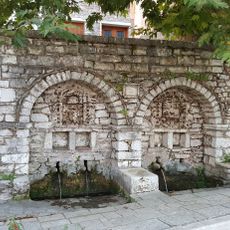
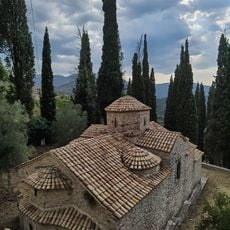
Karytaina is a traditional settlement in the Commune of Karitena within Megalopoli Municipality on the Peloponnese. The village sits on a hillside and comprises clusters of stone houses connected by stairs and narrow lanes that follow the terrain.
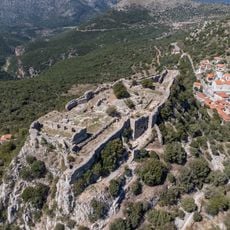
Karytaina appears in written records from the 13th century, during the Frankish period, when it was the seat of one of the baronies of the Principality of Achaea, held by the Briel (Bruyères) family. Geoffrey of Briel built the castle in the mid-13th century, using stones from the ruins of ancient Brenthe on the same site. The Byzantines bought the town in 1320 under Andronikos II Palaiologos, and the Ottomans took it in 1460–61. On 25 March 1821 rebels from Zygovisti, Stemnitsa and Dimitsana besieged the Turks in the old fort, and in 1826 Kolokotronis used the castle against Ibrahim Pasha.
The origin of the name is uncertain: it may come from a Slavic root, from a corruption of Gortyna, from the Greek word for walnut, or from the female name Karitaina; the Greek Wikipedia calls it Frankish, perhaps from the Burgundian name Caretene. The village is a protected traditional settlement, and Nikos Kazantzakis, when he visited, called it the "Toledo of Greece". In August it hosts an annual Women's Bazaar.
The village is best explored on foot since steep stairs and narrow lanes are not accessible by car. The best time to visit is during cooler seasons when the heat is less intense and walking through the lanes is more comfortable.
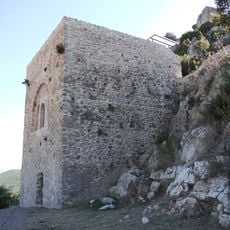
The ruins of a medieval castle overlook the village from above and offer wide views of the surrounding landscape from that elevated point. From this vantage point one can understand why this location was historically so valuable as a defensive position.
The community of curious travelers
AroundUs brings together thousands of curated places, local tips, and hidden gems, enriched daily by 94,562 contributors worldwide.