Anogia, Rethymno, town in Crete Region, Greece
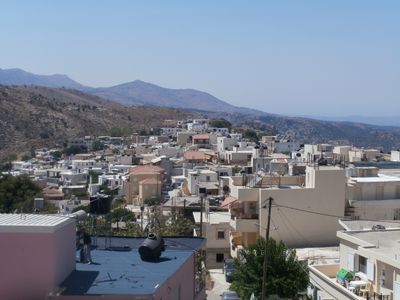
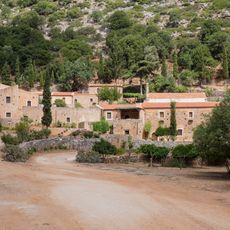
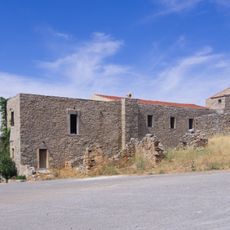
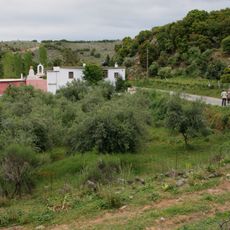
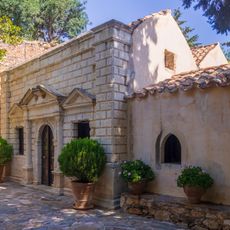
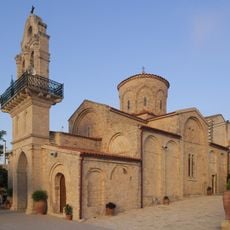
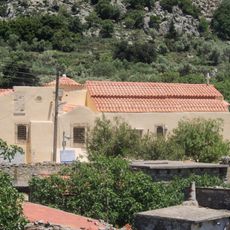
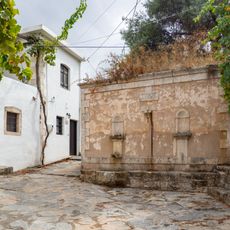
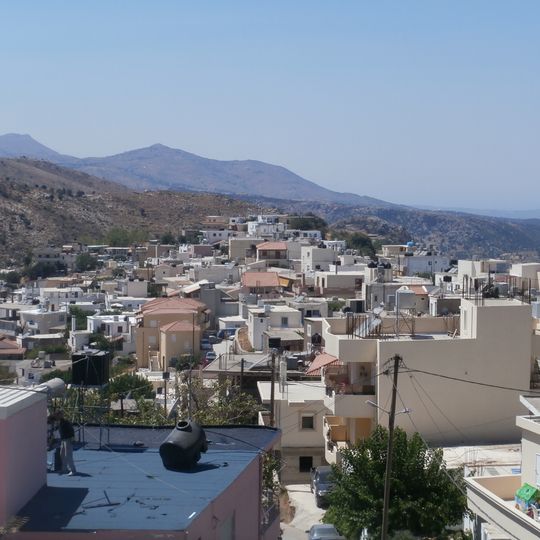
Anogia is a mountain village on the northern slopes of Psiloritis in Crete, situated at about 750 meters above sea level. The village features narrow winding streets with traditional stone houses, a central square called Agios Georgios with cafes and shops, and a living community that preserves old craft traditions.
The village was burned during Ottoman rule because its people fought for independence, and was later destroyed by German forces during World War II. Despite these destructions, Anogia was rebuilt and now stands as a symbol of its people's spirit of resistance.
The name Anogia comes from its mountain location - 'Ano' means up and 'gia' means land. The village is known for its weaving and embroidery crafts, maintained by local families for generations, and these skills form an important part of the community's identity.
The village is easily reached by car or bus from Heraklion via mountain roads, and car rentals and buses are available. Staying overnight in traditional guesthouses or small hotels allows visitors to experience village life at its own pace and to visit local summer festivals.
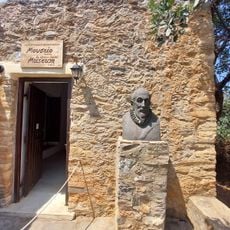
The village's most famous musician is Nikos Xylouris, often called the 'Archangel of Crete', and his house opposite the main square is now open to visitors. Many of Greece's finest lyre players and singers have come from this small place and continue to shape the island's musical culture.
The community of curious travelers
AroundUs brings together thousands of curated places, local tips, and hidden gems, enriched daily by 92,756 contributors worldwide.