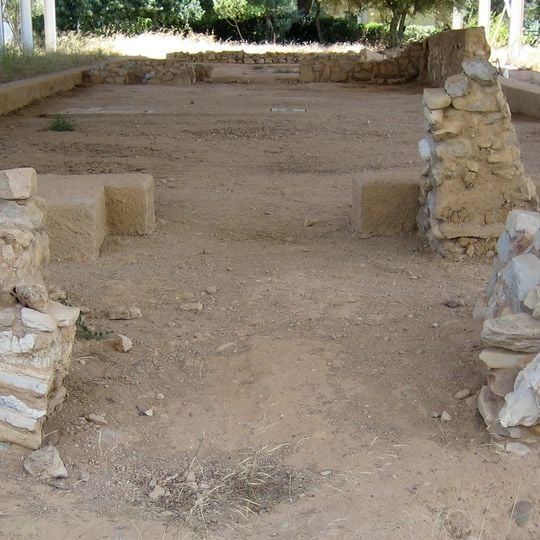
Lefkandi, Archaeological settlement in Euboea, Greece
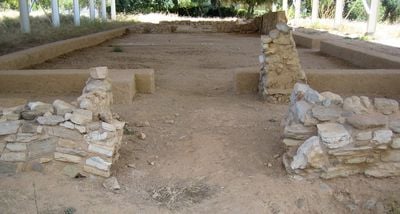
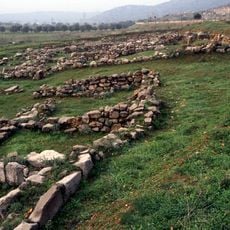
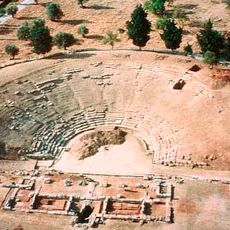
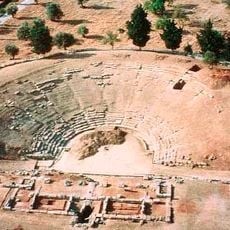
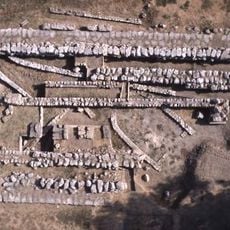
Lefkandi is an archaeological site on a coastal promontory in Euboea with occupation remains spanning from the Early Bronze Age to around the 4th century BCE. The ruins include multiple cemeteries scattered across the surrounding hillslopes, preserving evidence of how people were organized and lived in this ancient community.
The settlement began in the Early Bronze Age and remained continuously inhabited for more than two thousand years, documenting crucial changes in ancient Greek society. This long occupation makes it possible to trace cultural development through successive periods of habitation and abandonment.
The people who lived here maintained connections across the Mediterranean, as shown by objects from Egypt and Phoenicia found in their graves. This network of contacts reveals how trade and cultural exchange shaped daily life in this ancient port settlement.
The site is studied by the British School at Athens, which has been conducting excavations since 2007 based on earlier work. Visitors should check about current excavation activities in advance, as access may vary depending on ongoing research work.
The Toumba cemetery contains a monumental building with burial shafts holding gold ornaments and a bronze vessel with cremated remains inside. These discoveries reveal the wealth and high social rank of certain families in this ancient community.
The community of curious travelers
AroundUs brings together thousands of curated places, local tips, and hidden gems, enriched daily by 92,589 contributors worldwide.